




Past Lives (2023) – What If Timing Was the Only Thing That Got in the Way
A quiet film that does not demand your tears but earns them. It explores love that lingers, timing that fails, and the silence between what was and what could have been.
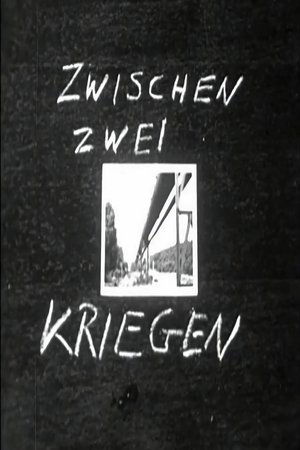


A film about the time of the blast furnaces – 1917–1933 – about the development of an industry, about perfect machinery which had to run itself to the point of its own destruction.
A quiet film that does not demand your tears but earns them. It explores love that lingers, timing that fails, and the silence between what was and what could have been.
How closely does an actor need to resemble a character or historical figure in order to portray them on the Silver Screen? Seems to depend on color.
In a world where we hear ringers and beepers at every corner, technology feels inescapable. This is why technology is often an enemy in Digital J-horrors, like One Missed Call.
'An American Werewolf in London' possesses a possible queer reading in the way it envisions a heterosexual romance being undone by the presence of a creature who embodies self-contentment in the face of social alienation.
Monster's plot is built around Steve Harmon's false accessory to felony murder accusation, and the anxiety and desperation experienced by him during incarceration and the corresponding trial.
But what many do not know is that in 2019, a Wonder Woman film was released that had all of the positive qualities of WW84, and remedied many of the negative ones. Wonder Woman: Bloodlines, a direct-to-video animated movie in the DC Animated Movie Universe, perfectly balances the campiness and seriousness of the character.