

Incluvie Classics: Strong Women and Gender Expression in Alfred Hitchcock's “Psycho.”
Alfred Hitchcock’s 1960 film "Pyscho" is an American film classic that still resonates today.
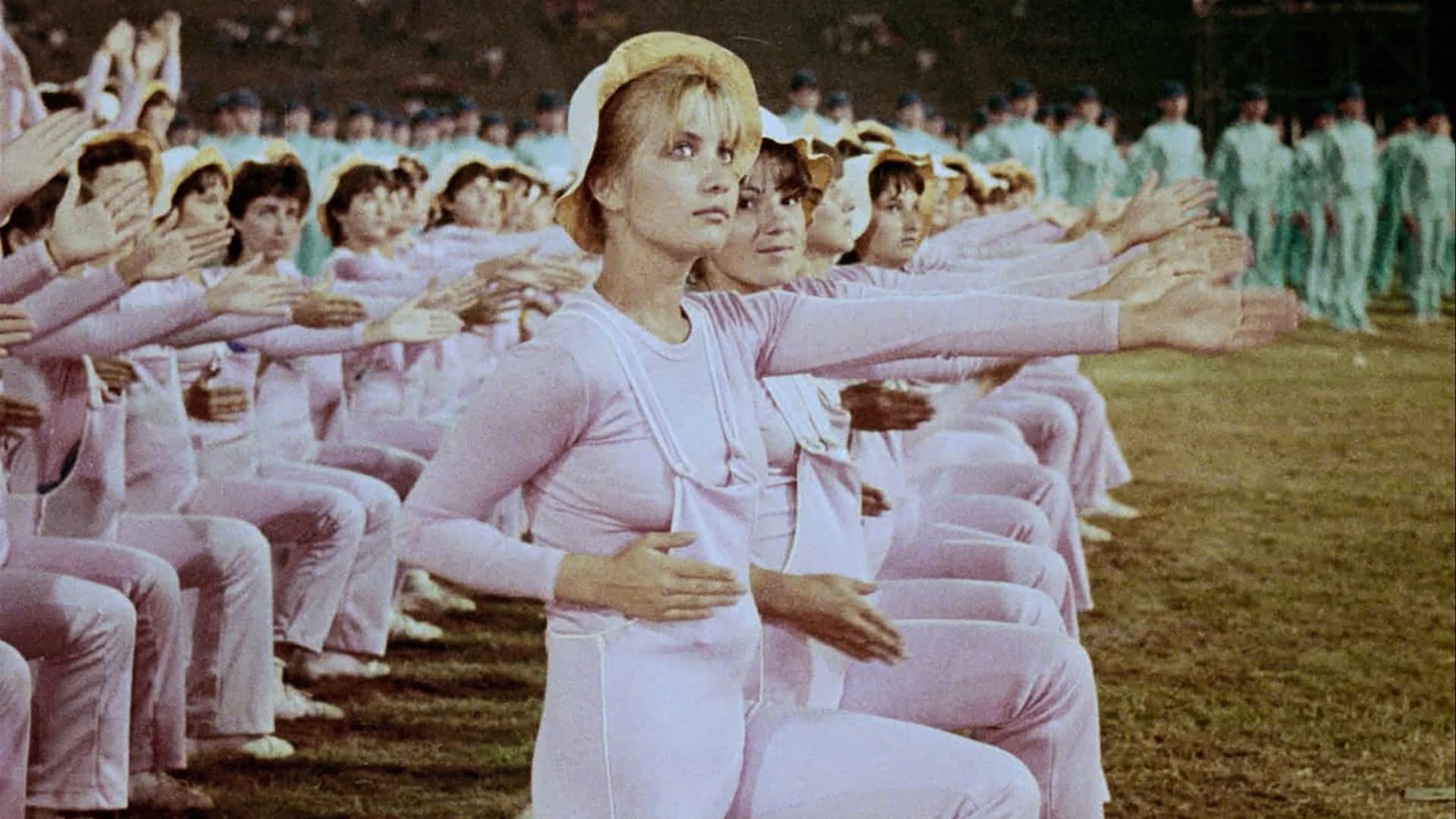
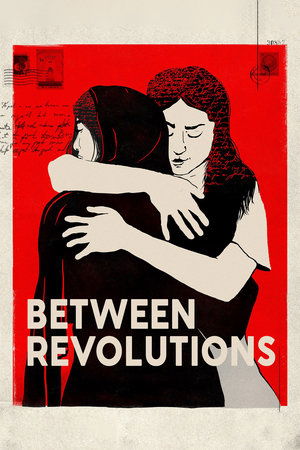


A semi-fictional correspondence between two women: one goes to Iran in 1979 to topple the Shah; the other experiences the onerous years of Ceaușescu’s Romania. Their biographies run in parallel via images of everyday life and videograms of revolution.
Alfred Hitchcock’s 1960 film "Pyscho" is an American film classic that still resonates today.
When it comes the horror genre, I am VERY hard to please or impress, much less scare. Coming from a current mindset of appreciation for chilling, unsettling, tension-inducing efforts such as "Hereditary", "The Conjuring" (ONLY the first one to date, mind you), "Lights Out", "The Babadook", "Midsommar", "Talk To Me", "Oddity", "Bring Her Back", and the like
In a world where we hear ringers and beepers at every corner, technology feels inescapable. This is why technology is often an enemy in Digital J-horrors, like One Missed Call.
A sweet slice-of-life anime that visualizes all the ways we creatively hide our vulnerabilities from the world.
Disclosure Day asks us to question humanity's role in the universe but falls victim to the same assumptions of centrality.
My review’s title is a nod to Shakespeare and is entirely deliberate. The original movie portrayed the high-end fashion world as a brutal arena of plotting, backstabbing, and betrayal, and most Shakespeare’s plays depend on these plot devices. The Devil Wears Prada 2 uses the same formula, and is, plot-wise, almost identical. Once again, we plunge into the cutthroat world of Runway, where to get and stay at the top, you must let go of your principles and moral sense. The only thing different is that due to the digital era, Runway is not a print magazine anymore, but one that is running online.