









What We Do in the Shadows (of Our Closet Walls)
There’s enough evidence to insinuate that What We Do in the Shadows is intentionally queer-coded.
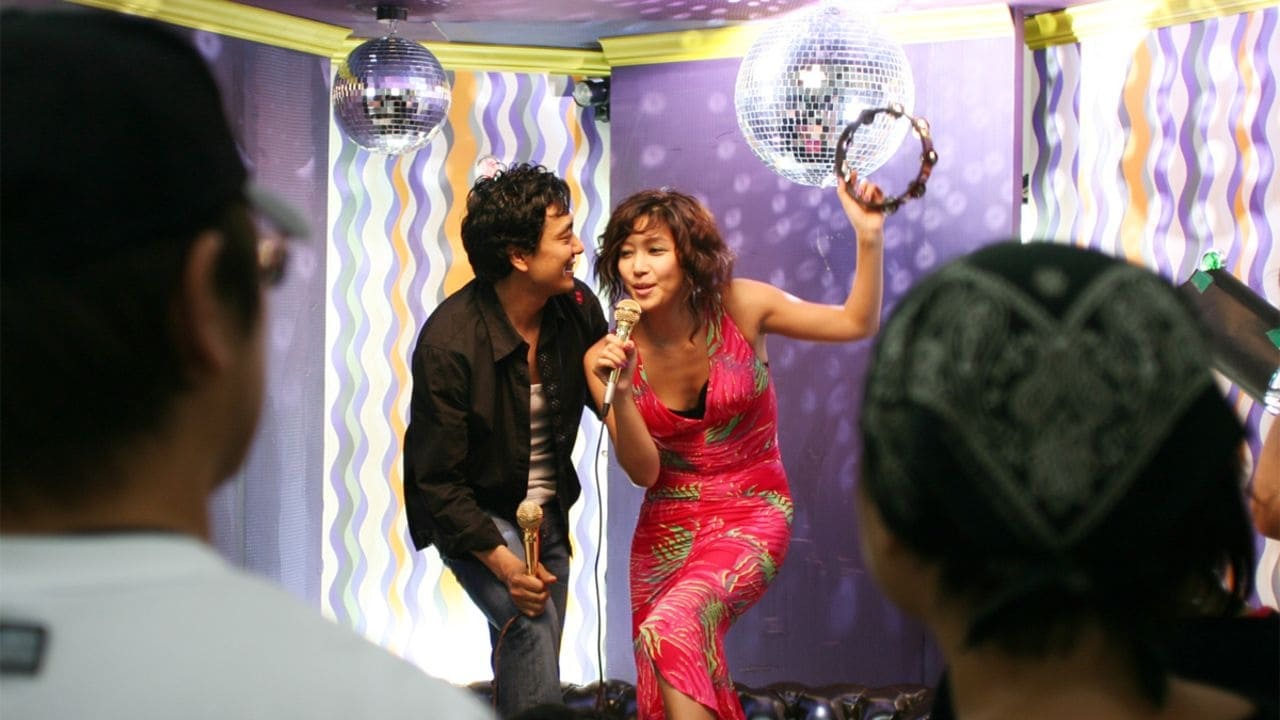
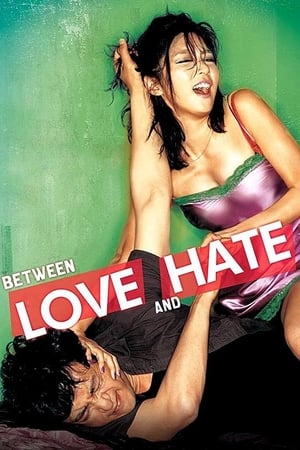


Young-Hoon works for his mother’s restaurant, but he prefers hanging out with his friends. He then meets Yeun-ah, a tough lady that works in a room salon as a barmaid. She takes the initiative by coming to his restaurant, when he is working, and propositions him in a playful way. They become a couple, but their relationship is always volatile. They fight constantly (physically and verbally), but the next moment kiss and make up. Meanwhile, Young-Hoon already has another girlfriend, who is his finance!
There’s enough evidence to insinuate that What We Do in the Shadows is intentionally queer-coded.
A story of a magical dragon brings great representation for Chinese culture.
Animation as a medium of storytelling can be thought to be open to all ages and as I hope my readings will reveal, they could be interpreted as transgender stories.
Based on the fairy character from previous movies, this fantasy movie gives viewers magic.
A Girl Walks Home Alone At Night, though its feminism may be unintentional, cannot exist without its focus on women reclaiming power. The movie is feminist by definition, even if Amirpour didn’t write it with that in mind. A Girl Walks Home Alone At Night is mesmerizing, poetic, and stunning, both for its portrayal of feminist ideas and its powerful story that is both horrific and subtly romantic at once.
The Forge is a moving story about a young man’s search for purpose. Through mentorship, discipline, and faith in God, his life is transformed from confusion into clarity, reminding us that true greatness is shaped in the fire of surrender and growth.