Writing Great Villains: Why They Shouldn't Be Sympathetic
Writing great villains is about striking a balance between charming and evil, so we love them but also love to see them lose.
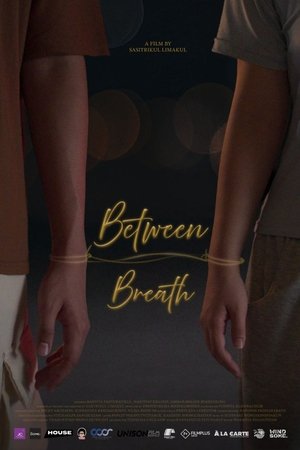


When Konprod, a hopeless former actor, accidentally falls onto Win, a passionate young filmmaker, their souls are torn from their bodies and mysteriously bound together. To return, they must resolve unfinished business by inhabiting the body of Patty, a spirited shaman and Konprod’s close friend, allowing them to finally go their separate ways as they wish.
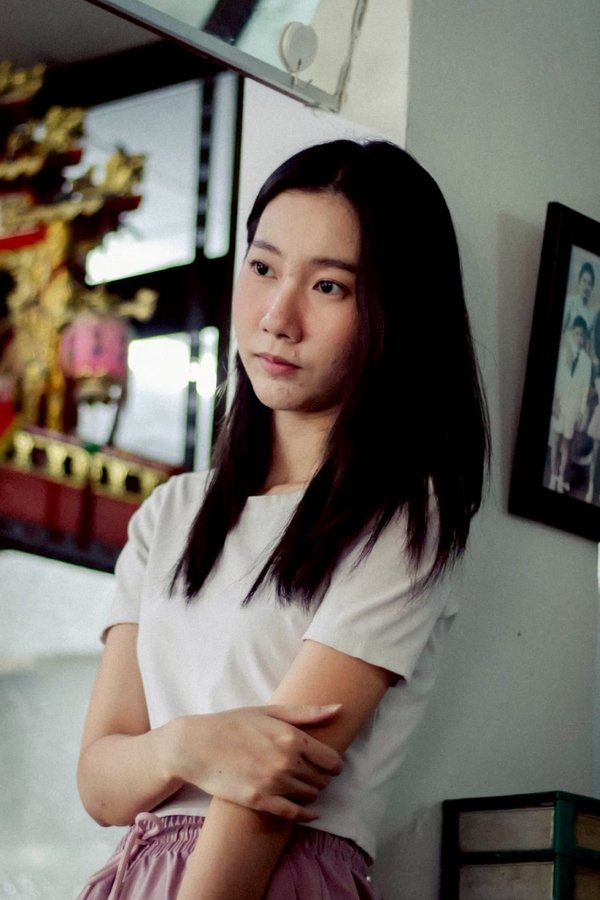
Sasitrikul Limakul
Director

Bantita Panturatikul
KHONPROAD
NANTIPAT KRAITAT
WIN
AMMARAWADEE ROADJARUNG
PATTY
PEERAPAT KOWITVIKRAI
SPIRIT 1
KWANKAO CHUEKUNA
SPIRIT 2
THITAREE THATPHITHAKKUL
SPIRIT 3
NITIPOOM NITIPOT
SPIRIT 4
WILAIPORN LATTANAPAN
WIN'S MOTHER
ANANYA JITSAKULCHAIDEJ
WIN'S SISTER

Laphattalada Tovanabutra
MOTHER (IN FILM SET)
WARAPORN SAGATE
DAUGHTER (IN FILM SET)
Writing great villains is about striking a balance between charming and evil, so we love them but also love to see them lose.
The Slumber Party Massacre wonderfully combines the suspense of its horror with its commentary on gender, creating a memorable slasher classic that began a horror trilogy entirely written and directed by women.
I think that the happiness and survival of "Wynonna Earp"’s LGBTQ+ characters is incredibly refreshing in contrast to the prevalence of queer suffering and death in other television.
Ripley is a great character because she serves two distinct, but rewarding, purposes in the original film and the sequel.
Gritty and bleak are the best words to describe this film. There’s nothing happy about it.
Battles will come and go and queer people do die for their identity and fights for rights, but that doesn’t mean the gays don’t deserve their happy endings in stories.