'One Missed Call': When an Onryō Goes Digital
In a world where we hear ringers and beepers at every corner, technology feels inescapable. This is why technology is often an enemy in Digital J-horrors, like One Missed Call.




Russian Empire, 1919. By a twist of fate, young idealist Osip Zadunaisky meets an infamous con artist and self-proclaimed Turkish subject Ibrahim Bender. A man of pure thought and aristocratic upbringing, Osip would never have associated with a cunning and unscrupulous swindler, but Bender comes up with an offer Osip cannot refuse. A precious royal relic, a diamond-encrusted golden scepter is hidden somewhere in town; Bender needs a partner on his mission to find it, and offers Osip a share of the profit from selling the treasure. And so begins their joint venture, wrought with comical and dangerous twists and turns, where they have to outsmart and outmaneuver officers of the White Guard as well as the local mafia, who also have their eyes on the scepter. As their quest unfolds, Osip is compelled to learn Bender’s tricks of the trade: charming flattery, delicate deception, soft intimidation... as well as brute force.

Igor Zaytsev
Director


Sergey Bezrukov
Ibrahim Suleiman Berta-Maria Bender-bay

Aram Vardevanyan
Ostap Zadunayskiy

Nikita Kologrivyy
Mishka Yaponchik

Taisiya Vilkova
Eva Mahulskaya - swindler

Olexander Tsekalo
Mark Sokolovich

Yuliya Rutberg
madam Sokolovich

Olga Sutulova
Bender's mother
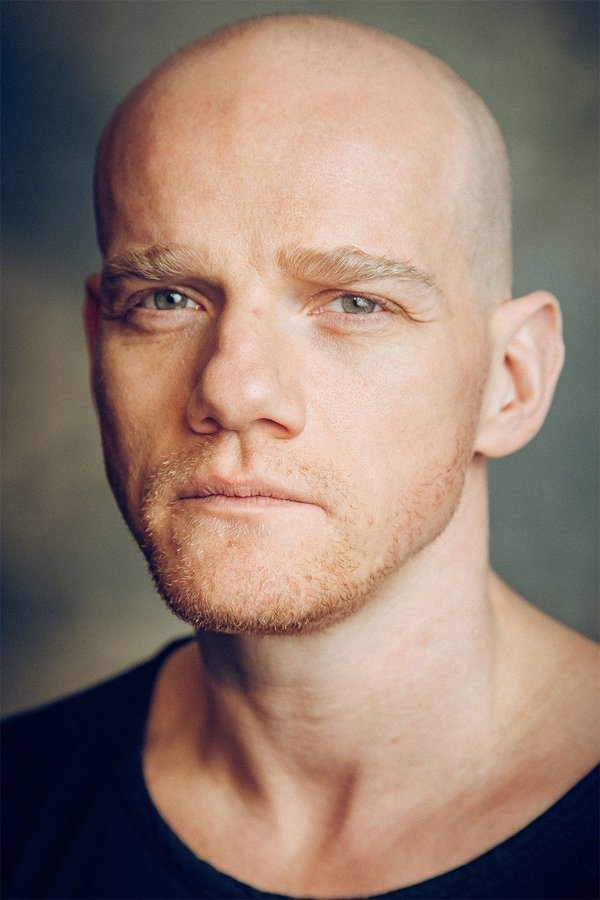
Yuri Kolokolnikov
Grigoriy Kotovskiy

Pavel Derevyanko
Nestor Mahno

Garik Kharlamov
Valiadis - host cabaret

Pavel Maykov
In a world where we hear ringers and beepers at every corner, technology feels inescapable. This is why technology is often an enemy in Digital J-horrors, like One Missed Call.
In Saudi Arabia, a little girl (Wadjda) is told she can't have a bike because she's a girl. Wadjda struggles to obtain a bicycle to race her friend, Abdullah, due to the gender inequality and cultural norms of Saudi Arabia.
Two Korean sisters must save their family after a ghost tears the family apart.
I first saw Dear Evan Hansen on the Broadway stage. Apparently, I was so blown away by the magic of theater that I didn’t pick up on the questionable dynamics. The story's clumsy handling in the movie brought those issues to light.