

Māhū—Reclaiming what’s rightfully theirs
Why did Māhū, a term once respected in Hawaiian culture, become so controversial?
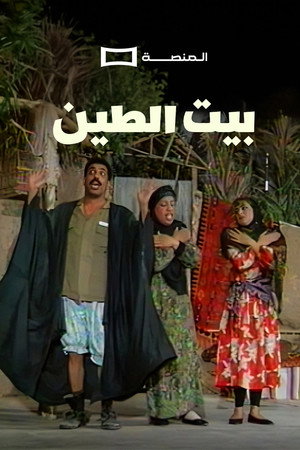


An Iraqi comedy play from the 1990s, performed by a group of elite Iraqi actors, starring comedian Jassim Sharaf.
Why did Māhū, a term once respected in Hawaiian culture, become so controversial?
I think these messages and the way they are presented in this small-town in Texas are increasingly more important as the internet/ social media becomes more and more critical and judgemental every day. Love yourself today and every day because as Ru Paul always says: “If you can’t love yourself, how in the hell are you gonna love someone else?”
'Yes, God, Yes (2019)' is a coming-of-age tale about a Christian teenage girl discovering her sexuality, the turbulence that comes with it from within herself, and the judgment from those around her.
Haven't you heard? There's a new horror subgenre: cerebral gore, that's probably been around for decades and we're now just starting to talk about it.
The Mandolorian has a more nuanced and commentative take on masculinity that refrains from praising the toxic traits associated with the social category, while also showing a more positive and transformative representation of masculine characters.
While it initially sounds nothing like 'Nope,' the focus on recording/sharing everything—especially trauma—for profit makes Hulu's 'Not Okay' similar to Jordan Peele’s newest movie.