







Incluvie – Better diversity in movies.
Identity in film with Incluvie stamps, scores, reviews.

Incluvie – Better diversity in movies.
Explore identity in film with Incluvie stamps, scores, reviews, and insights.

trailer banner
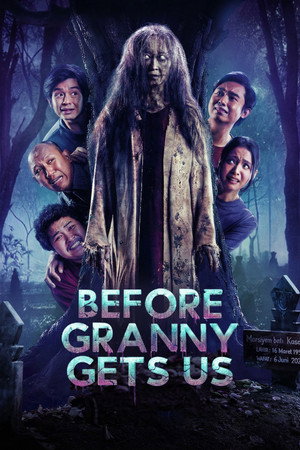
Before Granny Gets Us poster

Before Granny Gets Us 

Hestu and Akbar are twin brothers forced to reunite when their grandmother dies on a sacred day (Saturday Wage, the 6th of June at 6 o'clock). Grandmother's spirit haunts them and hunts them until someone accompanies her to the afterlife. The two of them are determined to wreak havoc in the village in search of this "companion" to save them from the terror of Grandmother's spirit.
- / 5
PopScore
Representation

Pictures and Videos


Incluvie Gala

Movie Information


Hestu and Akbar are twin brothers forced to reunite when their grandmother dies on a sacred day (Saturday Wage, the 6th of June at 6 o'clock). Grandmother's spirit haunts them and hunts them until someone accompanies her to the afterlife. The two of them are determined to wreak havoc in the village in search of this "companion" to save them from the terror of Grandmother's spirit.

Rating:
Genre:Horror, Comedy
Written By:Sandi Paputungan, Fajar Martha Santosa
In Theaters:
Box Office:

Runtime:103 minutes
Studio:Rapi Films, Sky Media, Kebon Studio, Legacy Pictures

Articles You May Like


'Jack and Diane' Review: Wasted Potential

The plot could’ve really been interesting if the elements of lycanthropy was integrated with perhaps the struggle of identity of being LGBTQ+. It's an experience for so many that as they’re starting to realizing their true selves, they feel like a monster, especially if they come from unsupportive homes or communities. Instead, the horror and transformation elements seem thrown in without contemplation of how this could deepen the narrative.

Andrea Amoroso

"The Father" is a Depressing But Insightful Look at Dementia

With The Father, writer-director Florian Zeller- who wrote and developed the play upon which the film is based- pulls no punches as he confidently makes every effort to put the audience in the mind of someone whose grip on reality has all but vanished. It’s a dazzling testament to Zeller’s abilities as a director as he makes his first transition from stage to film appear as if he’s been working behind a camera his entire career. The dialogue he fashions with co-writer Christopher Hampton, along with the work of production designers Peter Francis and Cathy Featherstone, collectively makes the downward spiral of dementia startlingly tangible, doing so in a way that can be comprehended by everyone except the person it directly affects.

Matt Geiger