Baggage (2026): Surrealistic Visual Language and Confront the Past
Baggage’s experimental mixed formats visualized a woman’s brave inner journey of visiting the museum of her fragmented memories.
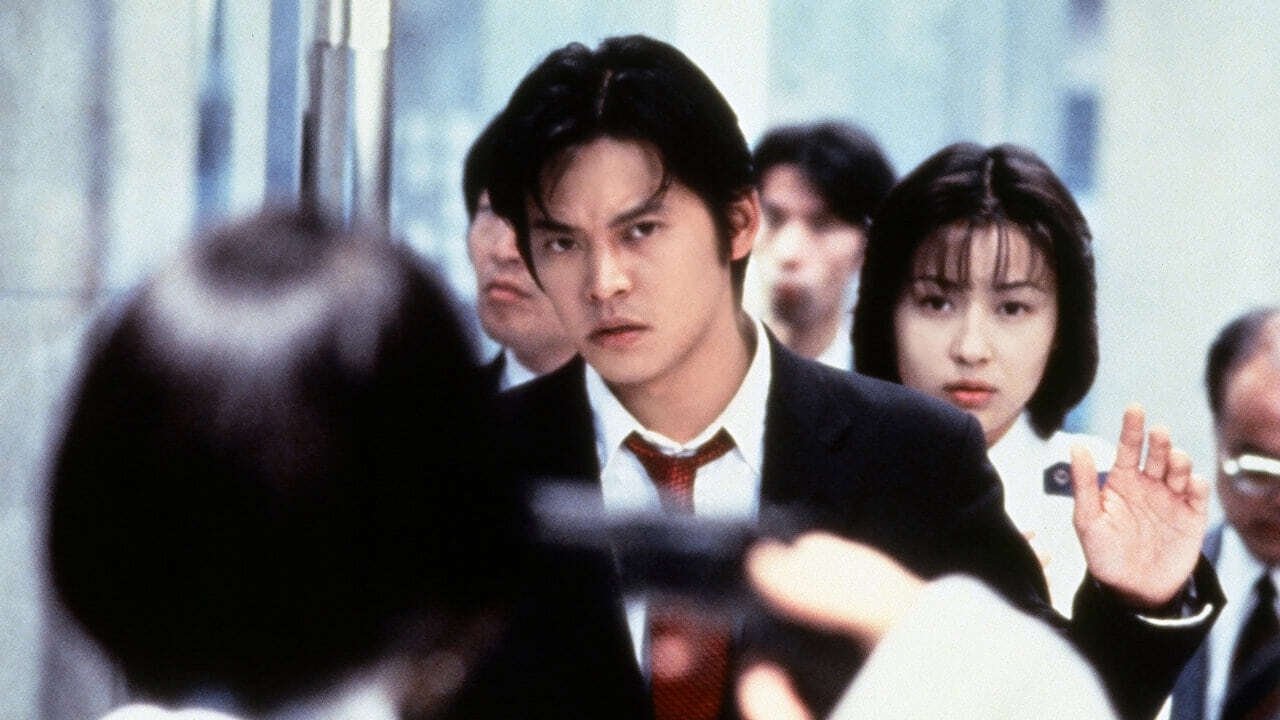
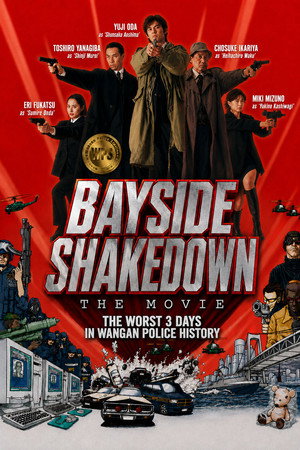


Aoshima, a police detective working in the Bayside Precinct, is continually frustrated by the hierarchy and red tape that plague the system. His friend Muroi is climbing the ladder of the police bureaucracy. Muroi has made a pact with Aoshima that while Aoshima looks after the streets, Muroi would make life easier for the cops on the beat. One day in Bayside, a series of events turns the small station upside down.

Katsuyuki Motohiro
Director

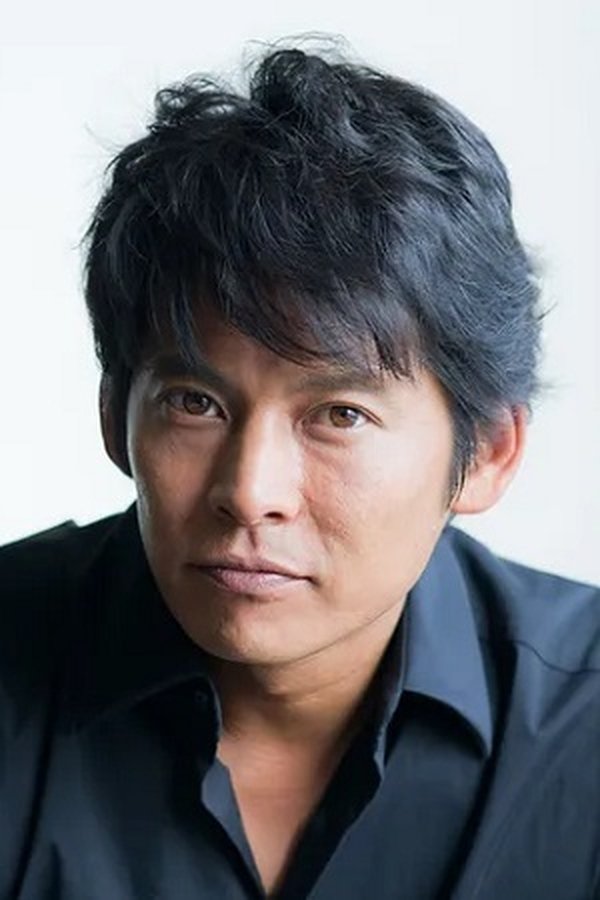
Yuji Oda
Shunsaku Aoshima
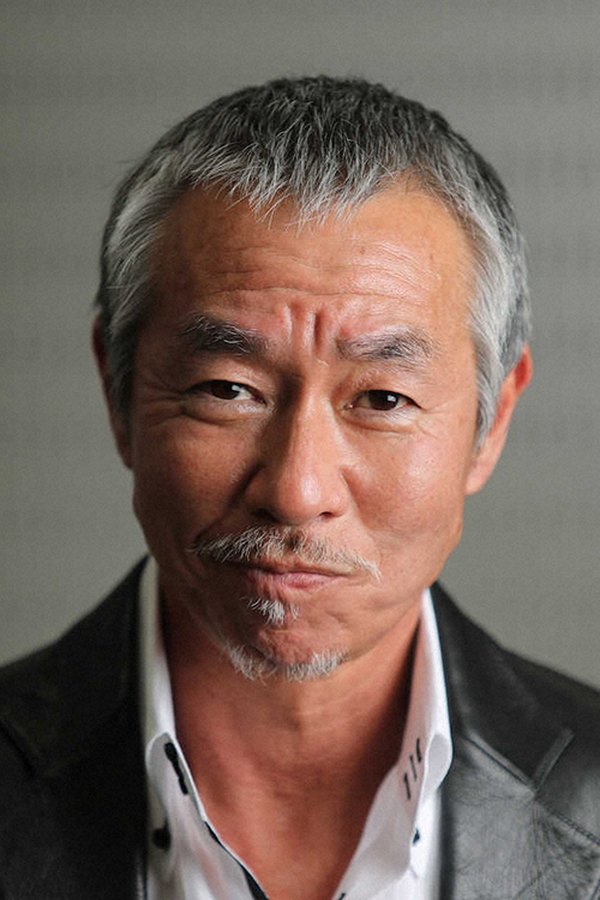
Toshiro Yanagiba
Shinji Muroi

Eri Fukatsu
Sumire Onda

Miki Mizuno
Yukino Kashiwagi
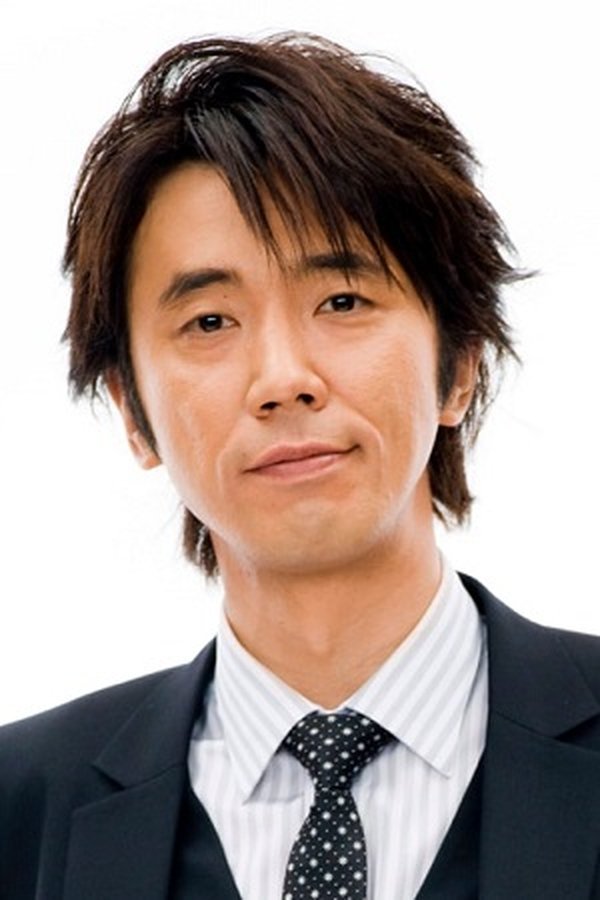
Yusuke Santamaria
Masayoshi Mashita
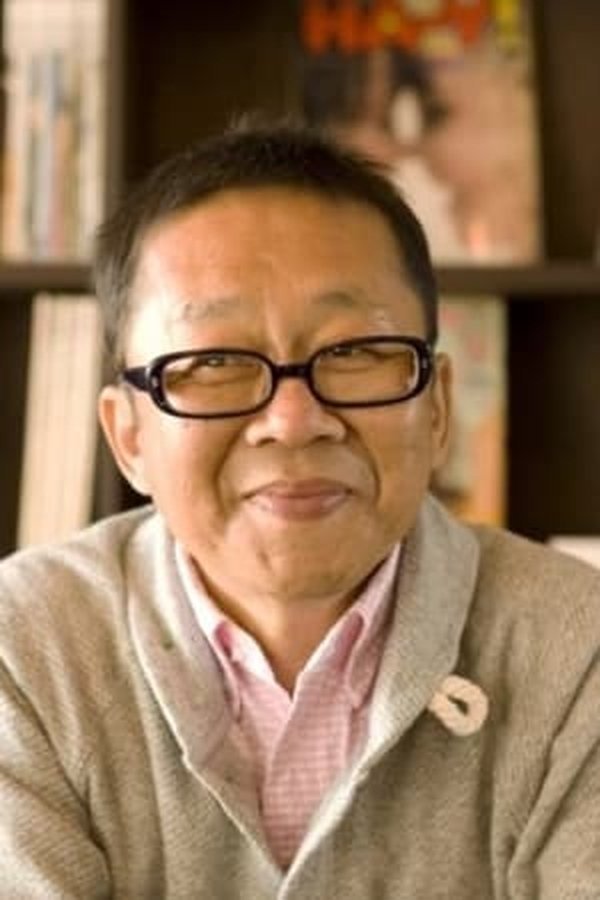
Kobayashi Susumu
Osamu Nakanishi
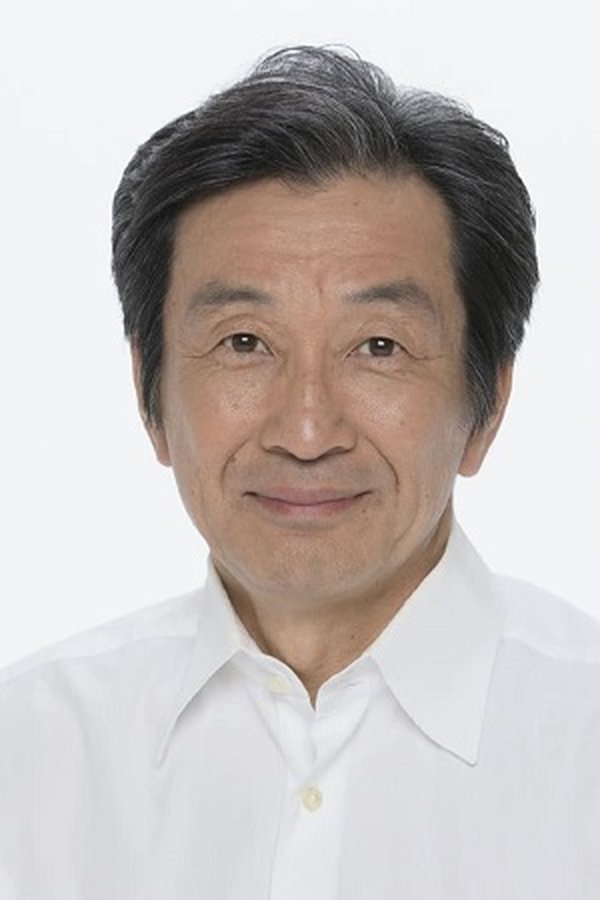
Kenta Satoi
Jiro Uozumi
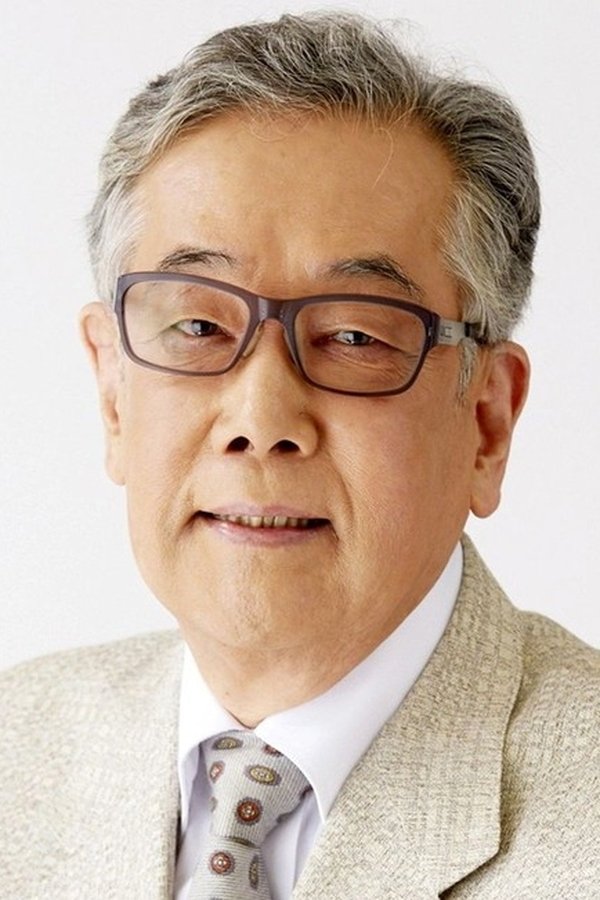
Soichiro Kitamura
Soichiro Kanda

Satoru Saito
Harumi Akiyama
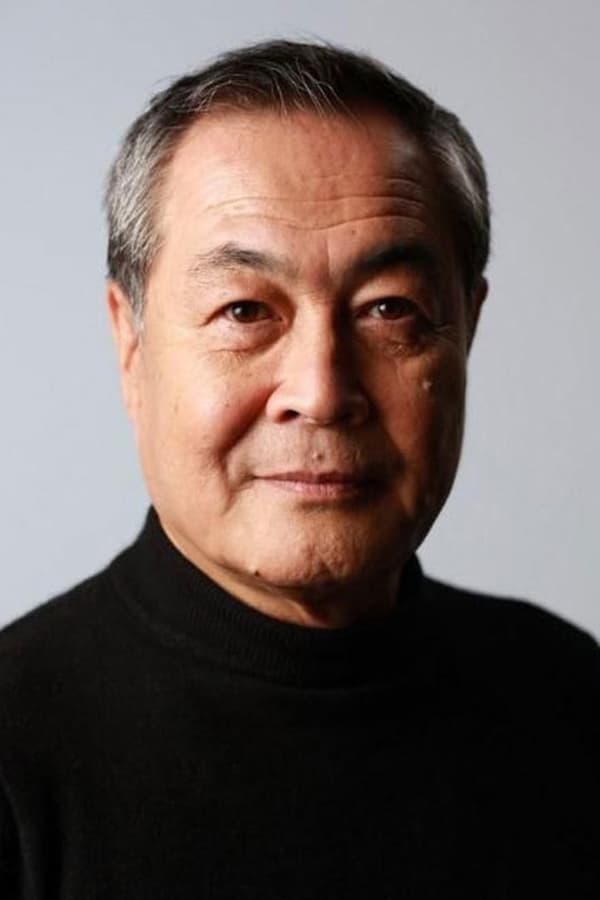
Takehiko Ono
Kengo Hakamada

Hajime Yamazaki
Wangan Police Station Chief of Police Affairs Division
Baggage’s experimental mixed formats visualized a woman’s brave inner journey of visiting the museum of her fragmented memories.
A Japanese anime movie that brings survival, adventure, and friendship to the big screen.
I understand that this would have been consistent with the language used by that generation, due to its role in the medical profession, however as someone who has family members with Down Syndrome I took it very personally.
Of the 28 total films I watched, just six of them were queer or featured queer characters in some way.
In the film adaptation, director Jon M. Chu turns each musical number into a massive show stopper, with grand set pieces and a wealth of diverse dancers. Yet, in this attempt to show reverence for the people of the Washington Heights barrio, Chu, or maybe more specifically those in charge of casting, left out a crucial part of the community, Afro-Latinos.
The film reminds us to remember the people who had the courage and dignity that had made the world better, even when the memory was absent.