

‘Fast Color’: A Strikingly Different Take on the Superhero Film - Movie Review
Set in a future dystopian United States in which water is running out, Julia Hart’s Fast Color (2018) is a refreshingly different take on the superhero film.
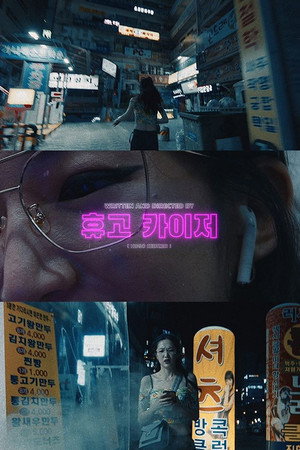


This is the story of BATTERY LIFE: Seo-Yeon can't live without her phone, literally. On her way to a party her battery is running low and she must find a charger before it's too late. Because if her phone dies, she dies.
Set in a future dystopian United States in which water is running out, Julia Hart’s Fast Color (2018) is a refreshingly different take on the superhero film.
You can’t talk to my grandpa about The Sopranos. You can’t talk to him about The Godfather either. Merely by bringing up the subject, you’d be treated to a lecture on how movies and TV want you to believe that all Italians are criminals and mobsters. He won’t watch any of it, in protest.
The original series is now on Netflix, you should definitely give it a watch. And if you’ve already seen it, watch it again.
As Sexual Assault Awareness Month comes to an end, I’d like to urge viewers and filmmakers to take a long and hard look at how rape is portrayed on screen.
If you haven’t watched Good Trouble yet, you need to. This Foster’s spinoff, aptly named for civil rights champion and Congressman, John Lewis, follows Mariana and Callie Adams Foster as they begin a new chapter of young adulthood and navigate life, careers, social justice, and love.
At 2:17 a.m., every child in a third-grade class wakes up, leaves their home, and disappears into the darkness—except one. The next day, teacher Justine Gandy discovers that Alex Lily is the only student left, while the rest have vanished without a trace. Did Justine have something to do with it, or is a far more sinister force stalking the town, targeting not just children, but anyone in its path?