


Incluvie – Better diversity in movies.
Identity in film with Incluvie stamps, scores, reviews.

Incluvie – Better diversity in movies.
Explore identity in film with Incluvie stamps, scores, reviews, and insights.

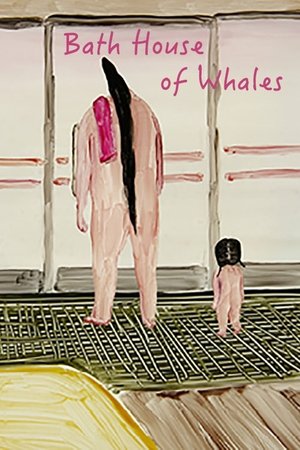
Bath House of Whales poster

Bath House of Whales (2020)

Mizuki Kiyama's short animation utilizes a paint on glass technique to render a young girl's visit to a neighborhood sento (bath house) with her mother with dazzling sensuous wonder. Evoking childish fascination at daily rituals, this quotidian act amidst feminine intimacy becomes a space of otherworldly fantasy.
- / 5
PopScore
Representation

Pictures and Videos


Incluvie Gala

Movie Information


Mizuki Kiyama's short animation utilizes a paint on glass technique to render a young girl's visit to a neighborhood sento (bath house) with her mother with dazzling sensuous wonder. Evoking childish fascination at daily rituals, this quotidian act amidst feminine intimacy becomes a space of otherworldly fantasy.

Rating:
Genre:Animation
Directed By:Mizuki Kiyama
Written By:
In Theaters:7/17/2020
Box Office:

Runtime:7 minutes
Studio:Iyuno Studios, Tokyo University of the Arts

Articles You May Like


Amazon Prime's Pretty Lethal: Makes No Sense, Is No Fun

I write for a diversity-focused film review blog, so I’ll be honest: I really wanted to like Pretty Lethal. Starring Maddie Ziegler, Lana Condor, Iris Apatow, Avantika, and Millicent Simmonds, Amazon Prime’s new thriller seemed like it would be a girl power movie about dancers with a horror action twist. Sort of a Suspiria for teens. But with shallow and unlikeable characters, a confusing plot, an overreliance on violence, and cringey dialogue, any fun the movie started out with was quickly lost. What was left was a faint echo of greater horror movies about dancers made before. 

Jo Moses

The Rise of a Kindhearted Comedy Hero: The Anti-Toxic Masculinity Message of Brendan Fraser Films

Throughout Brendan Fraser’s career, he has played a plethora of unique, layered characters who explore the importance of not being afraid to display your emotions, something that is often seen to not be a masculine trait. This idea of regulating emotion and what traits men are able to possess creates a toxic atmosphere for men who are often told they should not cry or represent their emotions in any physical way. These characters represent that men can be joyful, emotionally conscious, and sensitive, while also representing their masculine identity instead of painting those qualities as fighting against their masculinity.

Amanda Mazzillo