


A Closer Inspection of LGBT Characters in Film
We have a long way to go with LGBT representation in film, especially when it comes to LGBT characters of color and trans characters.
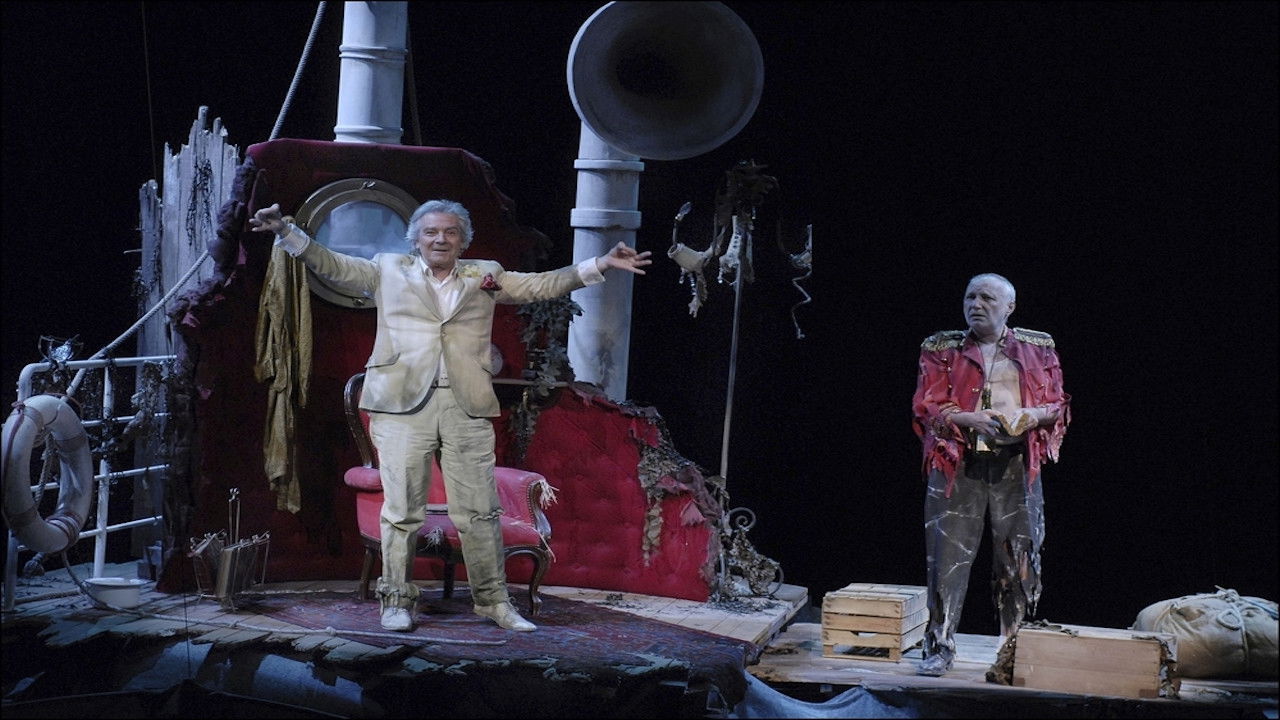
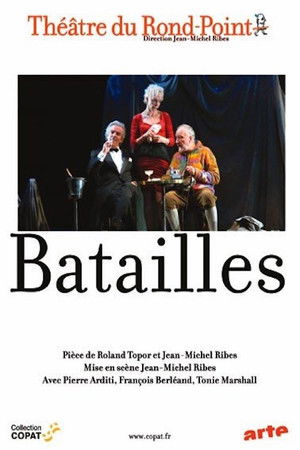


"Resumption of a play created in 1983. Two shipwrecked people on a makeshift raft in the middle of a social conflict, a mountaineering fight on Mount Paterhorn, improbable friction between two men and a woman in the Yvelines ... The places, the situations change, but each time there is a confrontation. The question is not so much who will win, but to take pleasure in the arguments provided by the opponents. Cunning, bad faith, all blows are allowed in what is primarily a fight of words. "
We have a long way to go with LGBT representation in film, especially when it comes to LGBT characters of color and trans characters.
Welcome to a special episode of the Incluvie Movie Highlights. This summer we held the Incluvie Short Film Festival. The film festival discovers and brings to light some outstanding short films starring main characters from diverse backgrounds, who are often overlooked in Hollywood. The filmmakers and actors from the 3 winning films came in and talked about their process and what it was like to make the film.
Based on the bestselling memoir, viewers get a glimpse of the challenges of autistic people.
Netflix’s Shadow and Bone has a complicated relationship with race. It has a diverse cast, but not without its problems. Based on Leigh Bardugo’s two book series, the show features characters from the Shadow and Bone trilogy, which is very straight and white, and the Six of Crows duology, which is much more diverse. When bringing together a cast and writing about these characters, the team behind the show expanded upon some of the representation missing from the first trilogy, then seemed to take away representation from the duology. Shadow and Bone seems to play a bit of a push and pull game when it comes to portraying diversity onscreen.
Although Christmas is a time of year for love and cheer for all, holiday cinema has not always represented diverse communities. Being a holiday with Christian origins, much of its media consists of straight white families or straight white romances. Luckily, modern years have been bringing with them plenty of POC and LGBTQ+ representation that the holidays so desperately need.
There’s enough evidence to insinuate that What We Do in the Shadows is intentionally queer-coded.