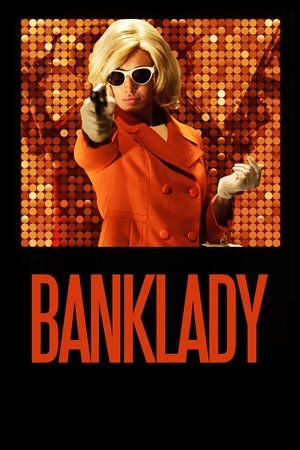
Banklady (2013)
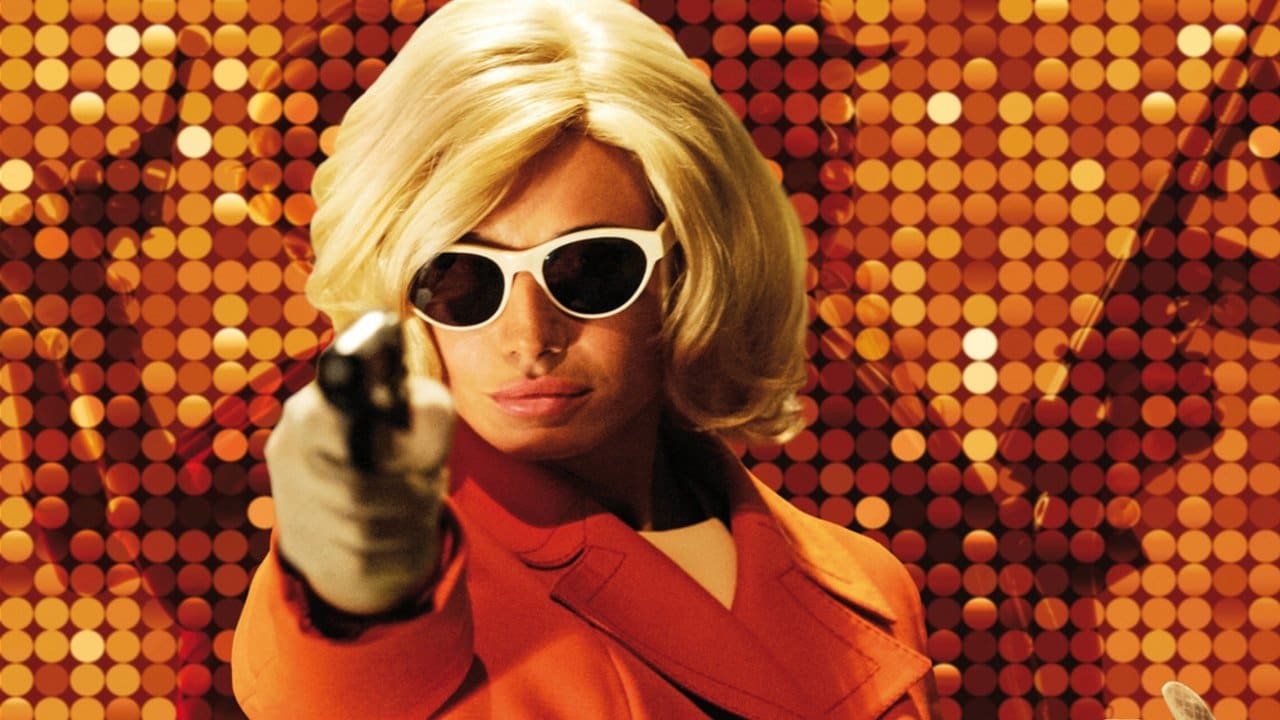
Banklady tells the true story of Gisela Werler, a law-abiding factory worker from Hamburg, who falls in love with a thief and becomes a media darling as Germany’s first and most notorious female bank robber. Cunning, sexy, and exciting, Gisela and her beloved Hermann pull off one daring heist after another. Banklady follows this outlaw who captured Germany’s imagination, boldly defying gender expectations and living a decades-long Bonnie and Clyde romance.

- / 5
PopScore
Representation
Pictures and Videos

Movie Information
Banklady tells the true story of Gisela Werler, a law-abiding factory worker from Hamburg, who falls in love with a thief and becomes a media darling as Germany’s first and most notorious female bank robber. Cunning, sexy, and exciting, Gisela and her beloved Hermann pull off one daring heist after another. Banklady follows this outlaw who captured Germany’s imagination, boldly defying gender expectations and living a decades-long Bonnie and Clyde romance.
Rating:
Genre:Romance, Action, Crime, Drama, History
Written By:Chris Silber, Kai Hafemeister, Kai Hafemeister
In Theaters:10/17/2013
Box Office:
Runtime:118 minutes
Studio:Syrreal Entertainment, StudioCanal, NDR, ARD, ARD Degeto
Cast

Christian Alvart
Director


Ken Duken
Kommissar Fischer

Nadeshda Brennicke
Gisela Werler

Niels-Bruno Schmidt
Assistent Kruse

Charly Hübner
Hermann Wittorff

Andreas Schmidt
Uwe

Heinz Hoenig
Kaminsky
Henny Reents
Fanny

Jürgen Schornagel
Hans Werler

Olaf Krätke
Tapetenfabrikant Clemens

Konstantin Graudus
Kassierer Schmidt

Klaus Zmorek
Bankchef
Articles You May Like
Dead to Me Season 2: Blood Proves to be Just as Hard to Get Out as Red Wine Stains
Dead to Me Season 2 pulls together elements of comedy, drama, romance, and thriller to craft this truly gripping series.
‘Stardust’: Charlie Cox Shines in a Quirky but Cute Fantasy Romance
Given that Charlie Cox is having a moment with the rise in interest in 'Daredevil,' let's return to one of his earlier movies: the fantasy romance 'Stardust' where he shines amidst a slew of characters, from a stereotypical witch to a crossdressing pirate.
Ghosts, Guilt, and the Snow to Come: Revisiting The Black Phone and What The Sequel Might Uncover
Sinister and suffocating, 2022's The Black Phone delivered more than just scares - it brought atmosphere, depth, and a villain audiences won't soon forget.
Is Love Blind? No! I Don't Think It Is.
Love is Blind Season 2 is the perfect reality show to tie a viewer over until the next season of Bridgerton. Check out Love is Blind Review Season 2
Coming 2 America’s Subpar Feminist Subplot
The movie makes it abundantly clear that Meeka becoming an official heir is the most likely going to happen. But if you are expecting to see a movie about Meeka’s perseverance and eventual ascent to the throne, prepare to be deeply disappointed.