

Why Angelina Jolie's "Hardbody" in 'Lara Croft: Tomb Raider' Appeals to the Woman Spectator
While the camera is objectifying her body to invoke a sexual response in male viewers, Lara Croft still defies the expectations of women in action films.
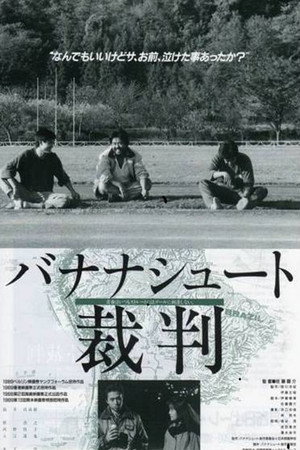


Fukuo Hosaka, Hiromi Koitabashi, and Kazuhiko Kuwahara are students at a public high school in Takasaki City, Gunma Prefecture. Even by the fall of their senior year, they hadn’t decided on their future paths and were simply drifting through each day. However, after meeting a middle-aged man named Sōjirō Inoko, the three began to gradually change the way they lived. Sōjirō was a forty-year-old who lived for his dreams; he enjoyed playing soccer without a ball and eventually set off alone on a journey to Central and South America. Inspired by Sōjirō’s free-spirited life, the three headed for the city, but the gap between their ideals and reality proved to be vast. Amidst this, Hiromi resolved to make a living as a stripper, leaving Fukuo and Kazuhiko in shock. They also discovered that Sōjirō, who was supposed to be in Central and South America, was actually right there in Takasaki City…
While the camera is objectifying her body to invoke a sexual response in male viewers, Lara Croft still defies the expectations of women in action films.
Dead Poets Society relies on patriarchal tropes such as overbearing fathers, contrived brotherhood, and faux-individuality in order to portray its straight white male characters as oppressed.
Not every film can make a shopping mall feel both magical and menacing, but Forbidden Fruits challenges that.
t’s relatable and heartbreaking all at once, and it’s impossible to watch Happy Together without reflecting on oneself. The film is stunning in every aspect, and is a vital piece of LGBTQ cinema.
Chickenhare and the Hamster of Darkness explores true identity through exploration.
The differences in these films could not be more blatant, and yet Gus Van Sant has found a way to portray the same messages and use the same techniques in each.