'Alice' Doesn't Live Here Anymore
'Alice' is a genre trifecta: one part revenge drama, one part historical account, one part throwback to Blaxploitation—kinda 'Django' meets 'Roots' meets 'Foxy Brown.'
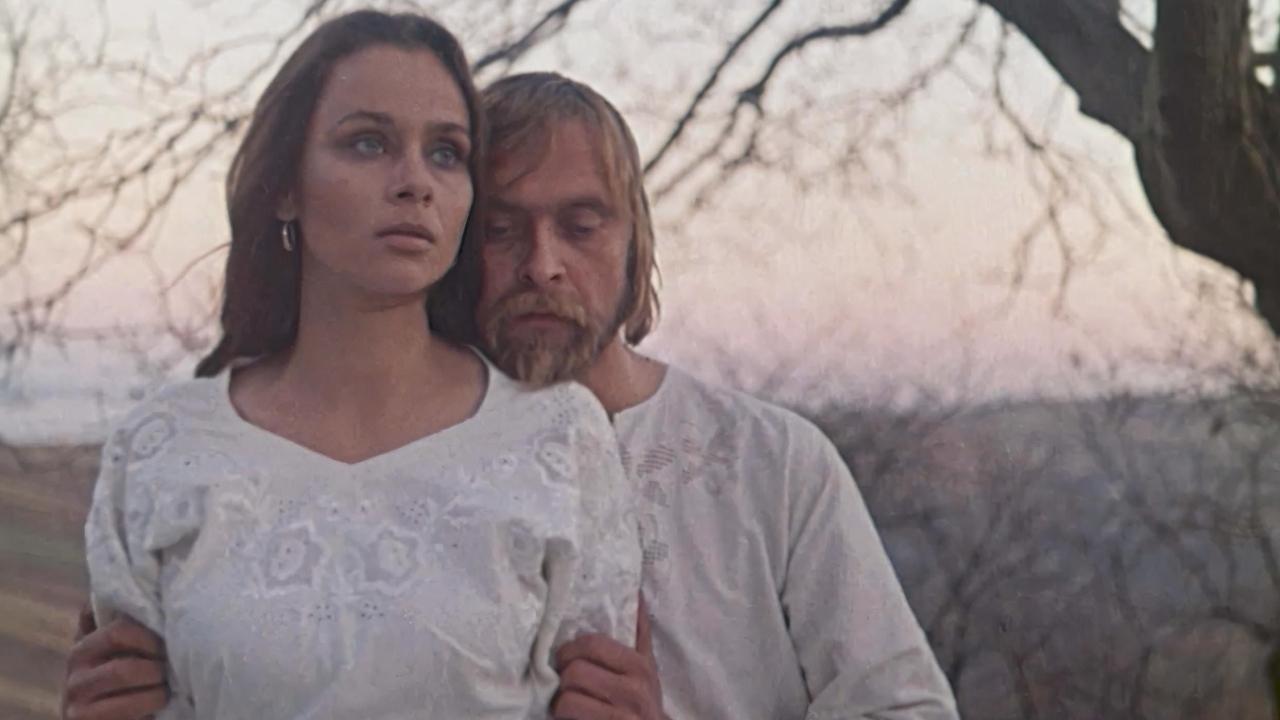
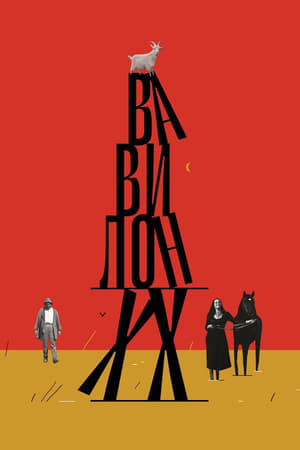


The new reality changes the usual life in the village of Babylon. Attempts to communize the small town are met with resistance from the rich people living in the town. The Red Army finally puts down the resistance. Amidst the resistance philosopher Fabian returns to Babylon and tries to prevent bloodshed, but he meets a tragic fate.
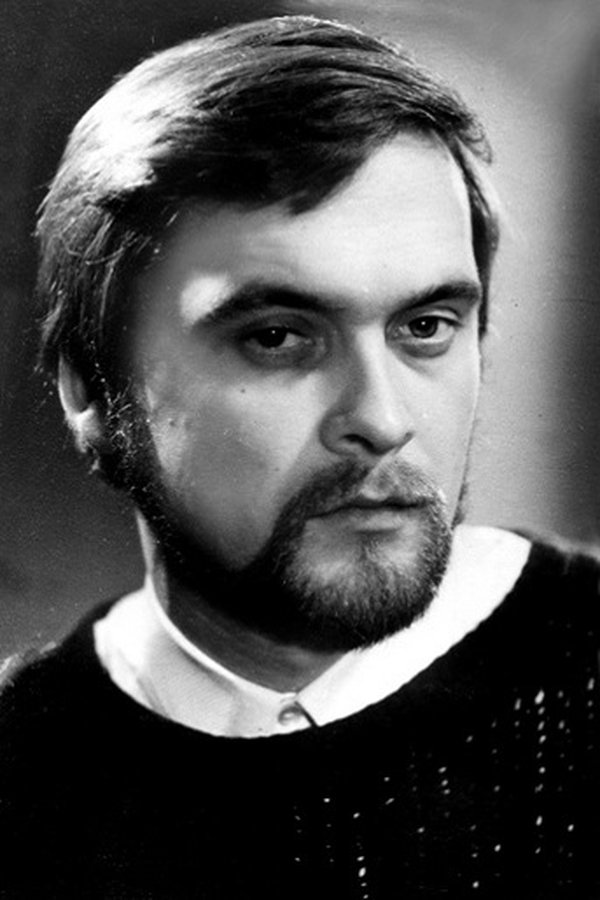
Ivan Mykolaichuk
Director

Ivan Mykolaichuk
Fabian

Lyubov Polishchuk
Malva

Les Serdyuk
Danko
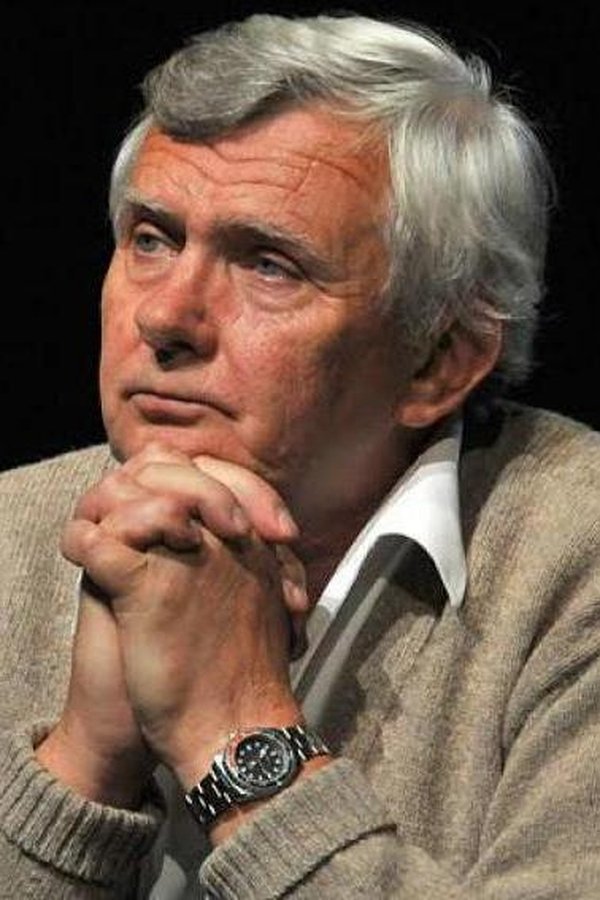
Yaroslav Havryliuk
Lukian

Taisiya Lytvynenko
Prisia
Boryslav Brondukov
Yavtushok

Lyudmila Chinshevaya
Darynka
Anatoli Khostikoyev
poet Volodya Yavorskyi

Ivan Havryliuk
Klym Synytsia
Kostiantyn Stepankov
Bubela
Vitali Rosstalnoy
Ruban
'Alice' is a genre trifecta: one part revenge drama, one part historical account, one part throwback to Blaxploitation—kinda 'Django' meets 'Roots' meets 'Foxy Brown.'
For anyone who is not a cis white woman, a justice-fueled murderous rampage is not framed as liberation. Instead, they contribute to harsh stereotypes that vilify minority women with dangerous consequences.
To say Hollywood has had a troubled past is the understatement of the century. In Ryan Murphy’s (American Horror Story) new Netflix series, Hollywood, that past is confronted and even rewritten.
This story solidified my choices to consume a more plant-based diet and nearly made me cancel my subscriptions to big corporations like Amazon. The narrative was perfectly crafted and on par with Bong Joon-Ho’s other major works; Parasite and Snowpiercer.
As legal dramas go, we rarely see an African-American actor in the lead role. "The Burial" has several.
For the most part, 'Sweet Girl' recycles tired hyper masculine revenge tropes, but a surprise twist in the end turns it into a female-centric revenge film.