




A Conversation With the Filmmakers of 'When Men Were Men'
Hours before their line-up of screenings for Trans Awareness Week began, the filmmakers of 'When Men Were Men' chatted with me about the film's personal exploration of masculinity.
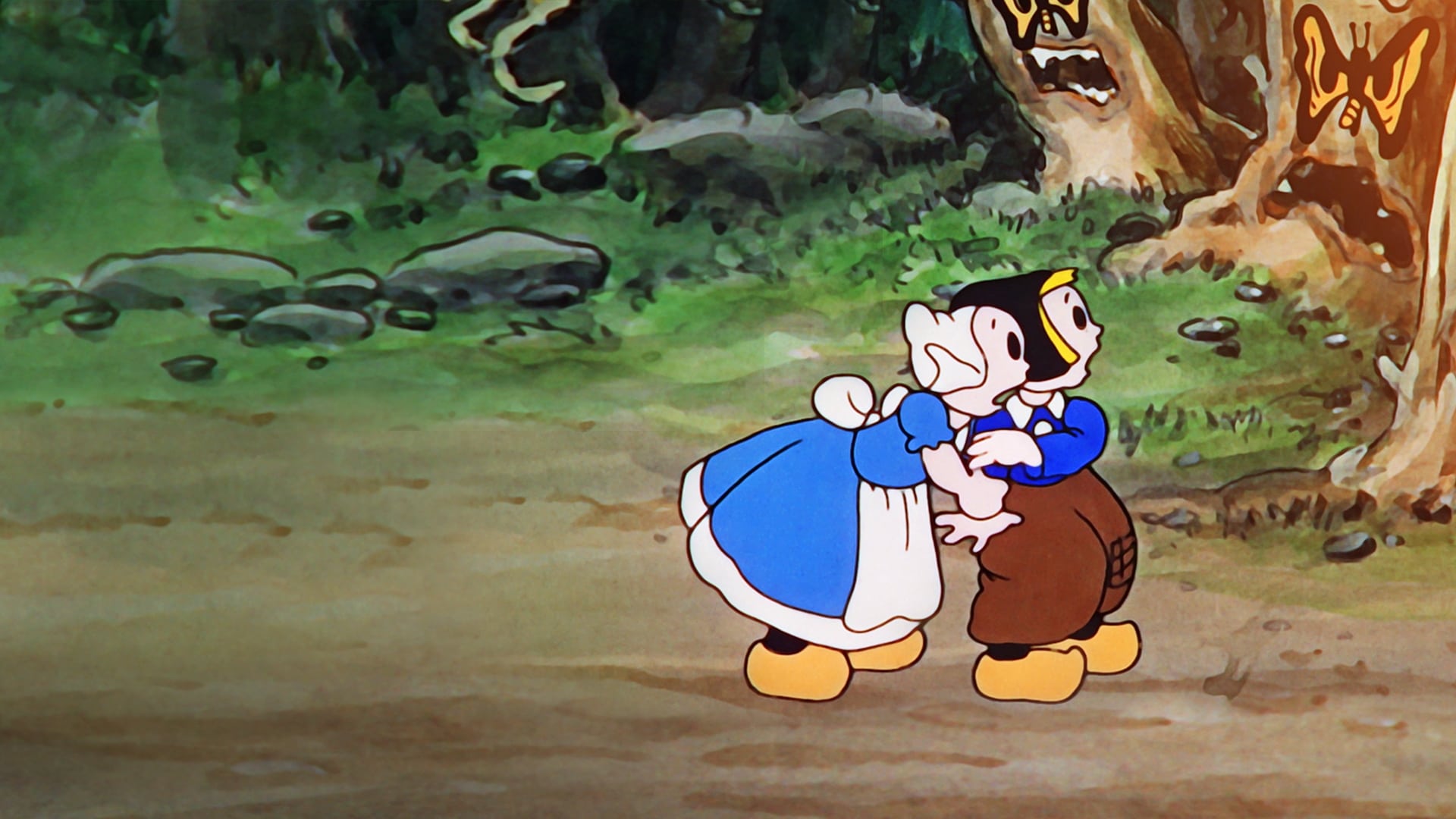
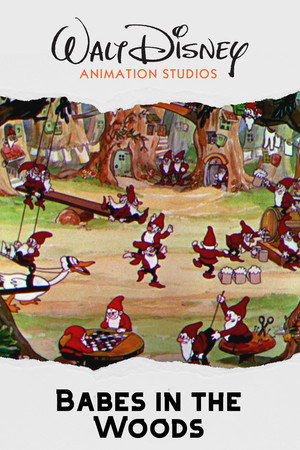


Two Dutch children stumble on a clearing in the woods where gnomes are going about their business. The gnomes are friendly to the children. A witch comes and takes them away on her broom to her gingerbread house, where she turns nasty on them, turning the boy into a spider, her yowling cat to stone, and tries to turn the girl into a rat when a gnome's arrow stops her. While the gnomes are fighting the witch, Hansel and Gretl free the other children who have been imprisoned and transformed by the witch.
Hours before their line-up of screenings for Trans Awareness Week began, the filmmakers of 'When Men Were Men' chatted with me about the film's personal exploration of masculinity.
Armed with a $400M budget and Tom Cruise’s death-defying stunts, Mission: Impossible – The Final Reckoning delivers pulse-pounding action even as its plot falters. From underwater silence to high-altitude madness, it's pure adrenaline powered by old-school movie magic — but is this really Ethan Hunt’s final mission?
The July episode of Incluvie Movie Highlights provides 4 exciting films that have polarizing reviews! Special guest and Incluvie movie critic Daleyna joins in to discuss Mr Malcolm's List, a regency-era film set in England, starring leads of Indian and African heritage (Freida Pinto and Sope Dirisu), which is a first! Don't Make Me Go, starring an Asian and Blasian lead (John Cho and Mia Isaac), is a sincere film with a controversial ending! Don't worry, no spoilers. 1Up, about a team of female gamers led by Paris Berelc, who's half Asian, receives acclaim on Incluvie, but much hate everywhere else on the internet. And the feature film... is Nope ! One cohost thinks the film was imaginative, while the other cohost insists it was boring (but with good social commentary)! Who thought what? Tune in with your hosts: Cathy Yee and Hazel Bolivar!
The social issues The Half of it takes on are handled well, between the antagonization brought on to Ellie for her race and the conflict that arises from her being gay. Both aspects of her character are built up over the course of the film and don’t seem abrupt or rushed. The film shows racism towards Ellie and her and father in varying levels, from having her schoolmates specifically address her as "Chinese girl” to the fore mentioned way her Dad is treated due to language barriers. The same can be said about Ellie being a lesbian. While she never truly “comes out” in the narrative, that does not undermine her journey of self-discovery from being meaningful. These ideas aren’t thrust upon the viewer in a preachy manor, the scenarios that occur feel believable given the rural setting. The film presents watchers with problems whom those like Ellie may face, and leaves us to sit with them and reflect.
The director's latest is a dreamlike exploration of a consciousness torn between two homelands, and the implications of history and memory suspended in limbo.
Asha, the main character, is a biracial woman who discovers the power of magic wishing dust.