





Knives Out: Sharpest Writing of 2019?
Knives Out doesn’t just defy the whodunit narrative, it uses the weaknesses to its advantage. It’s well aware of the genre’s faults and tropes
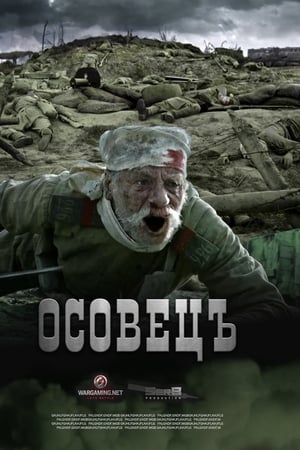


August 6, 1915. After several unsuccessful attempts to assault the positions of the Russian army, the command of the German troops is decided on a new one. On the eve of the attack on the position of the Germans deliver cylinders with chlorine. Lieutenant Kotlinsky accidentally learns about the upcoming use of chemical weapons, but he does not have the time and opportunity to protect his people. All that remains for him is to set up a company to fight to the last.
Knives Out doesn’t just defy the whodunit narrative, it uses the weaknesses to its advantage. It’s well aware of the genre’s faults and tropes
The Cycle refuses to lean into the same old, same old monster-movie tropes and builds the entire premise around the intellect and the history of a capable, smart female protagonist.
If you’re looking for an engaging female-led film that touches on the genres of action, drama, and thriller, look no further than Le-Van Kiet’s "Furie".
Movies also have the ability to make the audience think deeper about an issue that plagues society. "Blindspotting" does that without shying away from the intense reality of police brutality and racial discrimination.
While the director didn't set out to make a feminist film, "A Girl Walks Home Alone At Night" reads as a reclamation of female power in a patriarchal society.
Not only does the system prevent upward mobility, but it makes it incredibly easy to slide from comfortably middle class to unhoused.