





"Elio" and What Could Have Been
Elio could be seen as fantastic piece of representation, showing lonely children who feel ostracized that they are not alone. That is, unless you look behind the curtain.
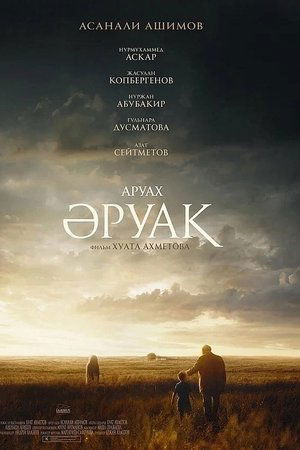


In the boundless Kazakh steppe, in a house on a hill, old man Agatai lives. His beloved wife died a long time ago, they had no children, there were no relatives left. But Agatai does not give up, his life is full of worries and labors. He takes care of his modest household and, as best he can, protects and protects the expanse of the steppe, which he considers his homeland. And another good deed is done by an old man: he adopts a child who ran away from an orphanage, who accidentally wandered into a house on a hill.
Elio could be seen as fantastic piece of representation, showing lonely children who feel ostracized that they are not alone. That is, unless you look behind the curtain.
The original Mothra is a fun monster movie that has way stronger lore, music, and special effects than most of its contemporaries.
Given Hollywood's history of racism and financial motivations, how much progress can we expect? Plus: a list of excellent films by Black directors.
"His Girl Friday" set the bar for romcoms and gave us a feminist heroine before feminism was cool.
I hope that more people will see Joyland, understand the situation, and eventually change themselves and society so we can have a more accommodating world where everyday tragedies like the one depicted in the film do not occur.
The Djinn is about childhood traumas and lifestyle changes. It tells the story of Dylan (Ezra Dewey), a mute boy who blames himself for his mom’s death. He also condemns himself for being speech-impaired, and he thinks that if he did not have that condition, everything could had been different.