



"The World to Come": A Stunning Period Romance
Mona Fastvold’s nineteenth century lesbian romance is emotionally charged, restrained, and poetic without feeling forced.
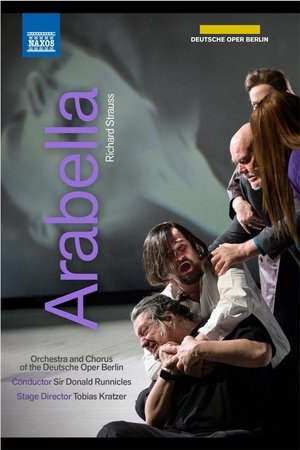


At first glance, Hofmannsthal's libretto ARABELLA is a comedy of mistaken identity which, had it been composed by Rossini, could have been a snappy buffo opera. But the music of Richard Strauss, who pulls out all the stops of his orchestral art, from the late romantic intoxication to the most modern discord, creates a subtle, colorful panorama of a society in transition, whose late-bourgeois values are crumbling. One's own identity and interpersonal relationships have to be tested from scratch. Central is – even more than the title character, who oscillates between romance and rebellion – Arabella's younger sister Zdenka, who, disguised as a man by her parents for lack of money for girls' clothes befitting their status, has to struggle all the more desperately with her/his role as an outsider.
Mona Fastvold’s nineteenth century lesbian romance is emotionally charged, restrained, and poetic without feeling forced.
Netflix's Afterlife of the Party might fall into the rom-com genre, but it's much more about grief, strong female friendships, and platonic love than it is about romance.
How do zombie films shine new light in the post-Covid and post-Brexit era?
As a musical fan, I enjoyed the film and encourage anyone who likes dark humour and a bit of blood to give it a watch.
Curry Barker’s film, Obsession, soars in success this past May leaving everyone who has watched it in extreme chills and disturbance. And taking it to new levels of why men are always the root of horror films even when they try not to be.
In the LGBTQ+ holiday rom-com wars, 'Single All The Way' may or may not be the “answer” to 'Happiest Season.'