


I Feel The Weight of “The Weight”
The Weight is highly recommended, will transport you back to its Great Depression-era setting and will have you rooting for the protagonist harder than most films this year

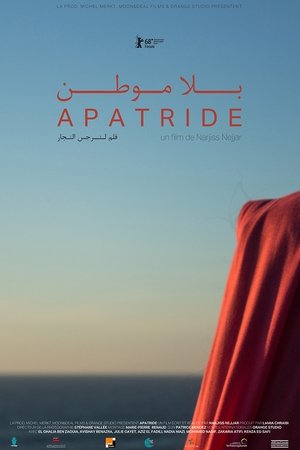


Henia will give anything to mend her broken past and find her mother, from whom she has been separated since the conflict between Morocco and Algeria during the Black Demonstration of 1975. After being given an opportunity to assist an elderly blind man, she accepts the offer and eventually finds herself agreeing to marry him. For Henia, this is a chance to get the necessary papers for her return to Algeria. For the old man, it’s a chance to start over. For his son, it is a disgrace.
The Weight is highly recommended, will transport you back to its Great Depression-era setting and will have you rooting for the protagonist harder than most films this year
This film is a splendid mix of mediums, but its strength lies in its simplicity and beautiful message of closeness.
Kat Wahlen’s The Whiteboard tells, or rather shows, a delightful love story between two young women who meet in detention.
At 2:17 a.m., every child in a third-grade class wakes up, leaves their home, and disappears into the darkness—except one. The next day, teacher Justine Gandy discovers that Alex Lily is the only student left, while the rest have vanished without a trace. Did Justine have something to do with it, or is a far more sinister force stalking the town, targeting not just children, but anyone in its path?
A 2020 Japanese anime movie that focuses on a high school girl who is desperately in love with her secret crush.
The iconic title character stars in her own horror and gothic TV series.