Once Upon a Time in (White) Hollywood
Tarantino's alternative history of the 1960's uncritically repeats the era's sexist and racist stereotypes.
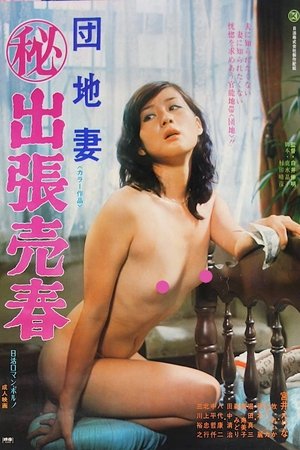


A blackmail ring uses illicit photos of an unfaithful wife to force her into prostitution.

Nobuaki Shirai
Director

Erina Miyai
Yoshiko Amagi
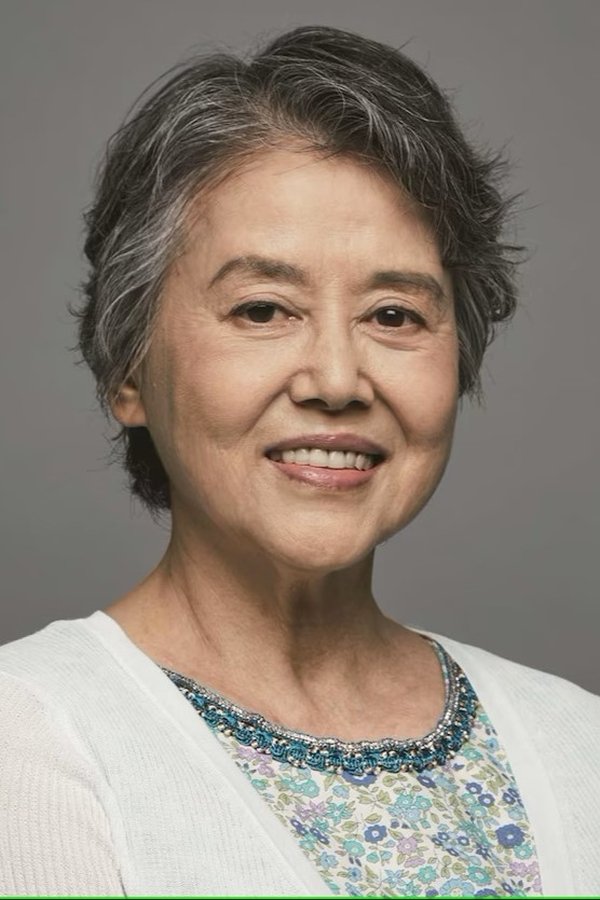
Rei Okamoto
Kiriko Yoshioka

Shinzō Hotta
Kyôji Etô
Remika Hokuto
Fusae Kameuchi
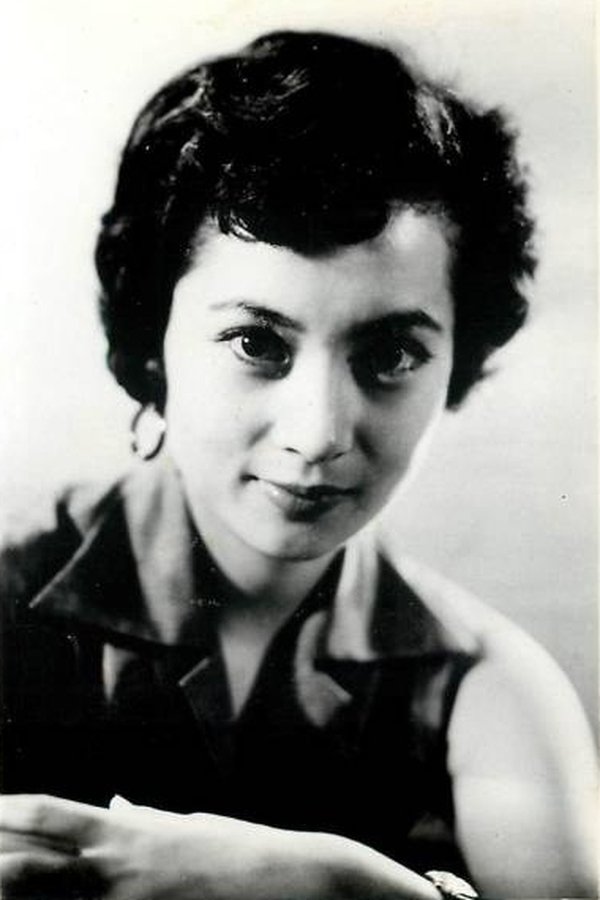
Sumiko Minami
Tsuruko Maruyama
Midori Mori
Junko Minagawa
Seiji Tanaka
Jirô Amagi
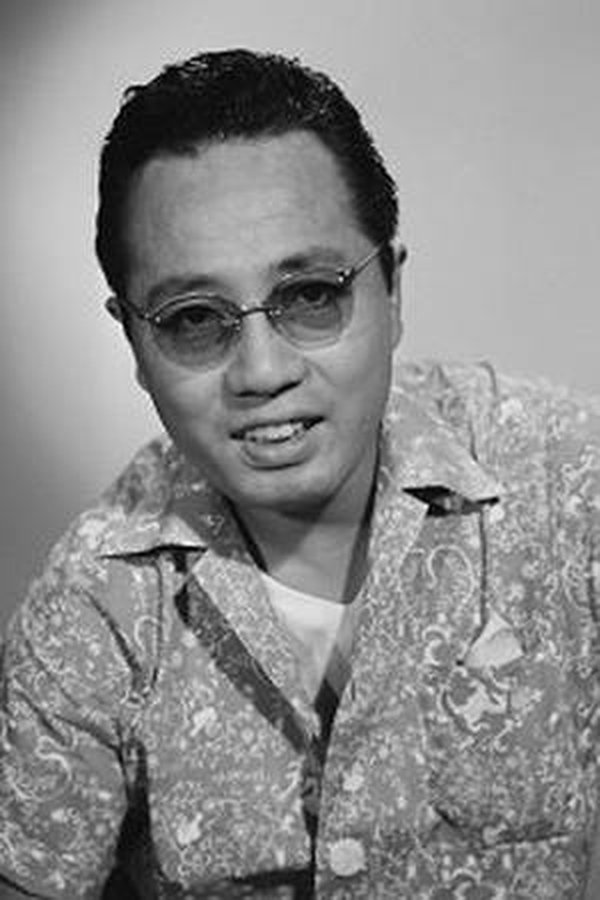
Kōji Yashiro
Bald man
Tessen Nakahira
Yoshiko's client B
Tadayuki Kitagami
Yoshiko's client C
Hiroyuki Mikawa
Middle-aged man
Tarantino's alternative history of the 1960's uncritically repeats the era's sexist and racist stereotypes.
We have a long way to go with LGBT representation in film, especially when it comes to LGBT characters of color and trans characters.
This list was made with the intention of celebrating comedic craft and a love of seeing more women of colour and newcomers on the scene.
A boy named Max experiences adventure within his own house while staying home alone.
For the entirety of Raiders of the Lost Ark, Marion remains in full control of both her body and her personality, a rarity for female characters at the time of the film’s release. She’s granted depth with personal demons from her past and emotional vulnerability when the situation deems it appropriate for her to grow alongside Indy. She avidly rejects the notion of being anything other than a sassy, humane rebel, and Indy’s equal in every way. This she does while still maintaining her femininity.
Alfred Hitchcock’s 1960 film "Pyscho" is an American film classic that still resonates today.