






“The 100”: Highlighting Humanity’s Successes and Failures in Overcoming Hateful Rhetoric
The 100 imagines a future where humanity's overcome some of its most pervasive forms of prejudice—only to create new ones.
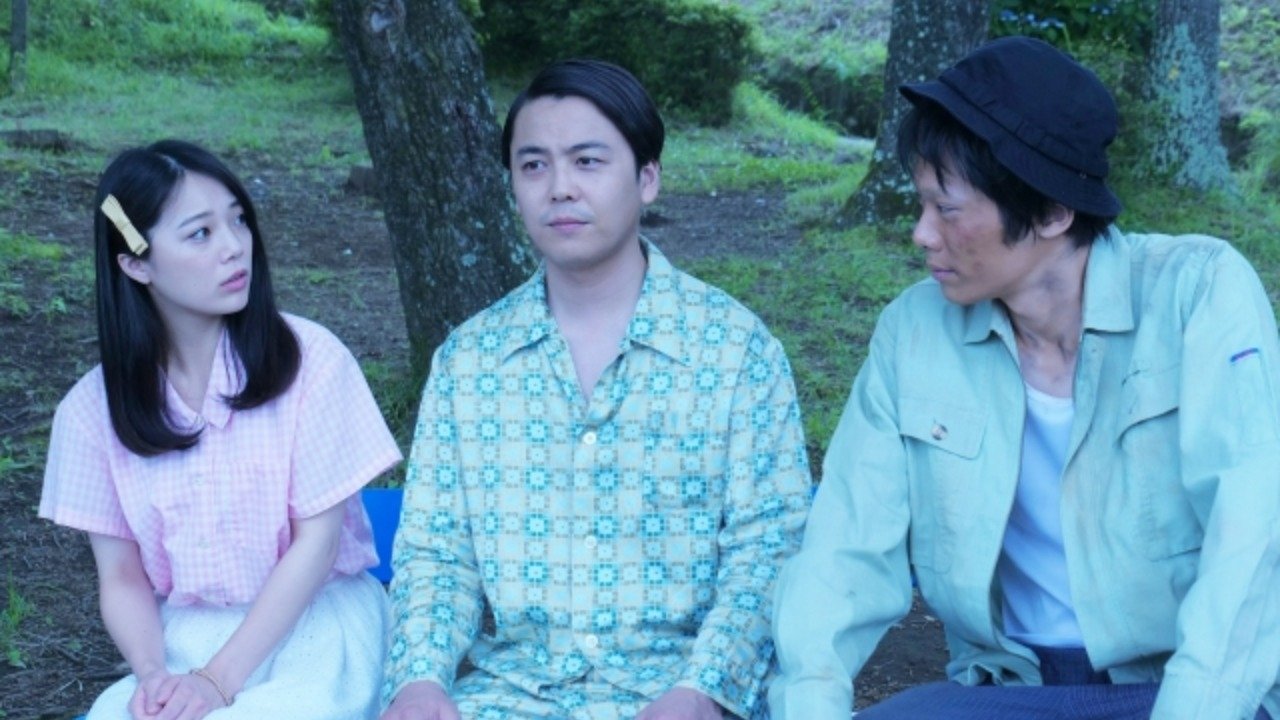



In front of a man who wants to be a movie director, Shingo, the ghost of Mr. Kawashita, who was a senior in the college film research department who committed suicide a year ago, suddenly appears on his death anniversary. Mr. Kawashita says that he was revived because he wanted to have sex with his junior, Aoi, who had a crush on him when he was in college. In order to fulfill his desire to work with Aoi-chan, Kawashita-san and Shingo will travel back in time on that day when he was in college, which was probably the only chance for Kawashita-san to work with Aoi-chan. There was a nostalgic college Aoi-chan there. Can Mr. Kawashita redo the past and do it with Aoi-chan? It's funny, but a little sad time slip love story begins.
The 100 imagines a future where humanity's overcome some of its most pervasive forms of prejudice—only to create new ones.
Stylish, slow, and somewhat standoffish, Human Resource examines corporate life from the perspective of a female HR employee as she interviews job candidates while also deciding whether to keep her newly discovered pregnancy.
Women have always been integral to science fiction, and these amazing women prove why.
Women who pray together, play together. Very rarely would I describe a story about a group of punk rockers as “whimsical”, but such an engaging array of visual and comedic components make this stand-out new series the star that it is.
This thrilling film about feminine rage and male hostility is an incredible depiction of the fragility of the male ego.
We are constantly being pushed to move on from mishaps and negative feelings. What happens if we're not ready to do so?