



The precarious representations in One Battle After Another
A bumpy journey about revolution and family makes us feel fear, disgust, humor, and satisfaction.

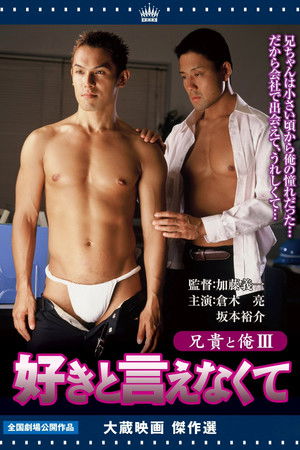
Yuma, a trading company employee, is busy with work and has been drifting apart from his fiancee Yoko. His childhood friend and junior colleague Atsushi, who regards Yuma as an older brother, is gay. But Yuma doesn't know this. One day, Atsushi invites Yuma to a summer festival. Drunk, Yuma stays at Atsushi's apartment. Atsushi's gaze falls on the lower half of Yuma's body, as he sleeps defenselessly in his yukata robes. He instinctively reaches out to touch it. At that moment, Yuma senses something is wrong and wakes up. Upset to find out that Atsushi is gay, Yuma goes home. The next day, as Atsushi is apologizing to Yuma for the night before, thunder rumbles! Before he knows it, their bodies have been swapped. Atsushi, in Yuma's form, checks out the lower half of his brother, whom he admires, and is entranced on the spot. Yuma, in Atsushi's body, goes pale. The two are forced to live like this for a while...
A bumpy journey about revolution and family makes us feel fear, disgust, humor, and satisfaction.
Season 1 of Love, Victor ended on a major cliffhanger: Victor came out to his parents. He said the words “I’m gay” for the first time. Now what? Season 2 answers the question: “What happens after coming out?”
Two movies that do a fantastic job in conveying the ongoing struggle for racial justice are Selma (2014) and Just Mercy (2019).
For viewers who love eating burgers, shakes and fries on the go along with a tasty side of nostalgia.
We, the Jane Austen aficionados, are suckers for everything and anything under the sun that’s remotely related to her and her world. That’s because we are so drawn to her unique style of fiction, romance, and social commentary, we take any allusion to her influence as a hint to what to expect when we start watching a movie or reading a book.