

The Heroes of "Hustlers"
"Hustlers" returns power to groups that are traditionally deprived of it: women, the working class, and sex workers.
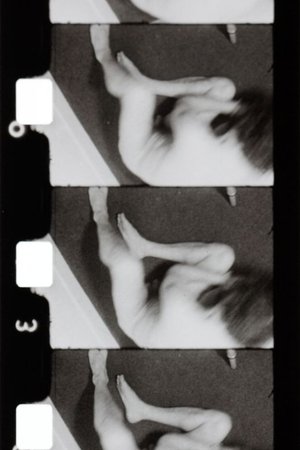


"ANGLE, with its brief black and white shots, almost always plunging and oblique, of naked bodies or parts of bodies, is a film of rupture. Punctuations of black primers break up the filmic continuity, isolating snapshots or brief furtive movements: the body rolling over itself, colliding with the other or falling (these terrible falls, as sharp as a fainting spell, like that of the hero of The Andalusian Dog, whose hand, as he falls, brushes for a moment against the naked back of a beautiful, insensitive woman, and which is, it seems to me, the most striking representation of the link between passion in love and death that can be given). Often these movements are repeated and the actors seem to be the descendants of Muybridge's bonshommes lost in a white room. At the end - this is the longest shot in the film - in a corner of the room, one of the two actors remains crouched, hiding his eyes in his hands. Then the corner reappears, empty."
"Hustlers" returns power to groups that are traditionally deprived of it: women, the working class, and sex workers.
Pose tells stories of queer joy and love in a time of intense hate and sadness.
Swapped combines comedy, adventure and emotional growth while delivering one of the biggest plot twists in animation history.
'Ganja & Hess' is a 1973 experimental horror film, written and directed by the visionary auteur Bill Gunn. It was meant to be a straightforward blaxploitation film – but director Gunn had grander ambitions.
What are we willing to walk through to see our dreams come to pass? Our minds might be so wholly alive with the passions we carry and the plans we make to see these things become all we wish them to be, yet life doesn’t always want to come alongside. Instead, obstacles arise, both physical and mental, which attempt to dissuade us or even prevent us from moving forward, stalling or stagnating the momentum to achieve what we desire. The age-old question remains….can we overcome? Or will we BE overcome?
Making Apes begins by looking back at the history of makeup effects in Hollywood, which was revolutionized by Jack Pierce, the person behind Frankenstein (1931) and The Wolf Man (1941)