
What We Do in the Shadows (of Our Closet Walls)
There’s enough evidence to insinuate that What We Do in the Shadows is intentionally queer-coded.
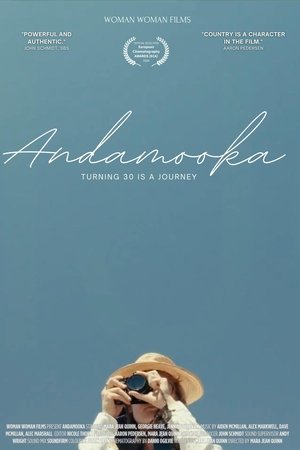


A city woman's life falls apart just before she turns 30, so she heads to the outback on a quest to spend her 30th with her best friend in tiny opal mining town Andamooka.
There’s enough evidence to insinuate that What We Do in the Shadows is intentionally queer-coded.
I think these messages and the way they are presented in this small-town in Texas are increasingly more important as the internet/ social media becomes more and more critical and judgemental every day. Love yourself today and every day because as Ru Paul always says: “If you can’t love yourself, how in the hell are you gonna love someone else?”
The plot could’ve really been interesting if the elements of lycanthropy was integrated with perhaps the struggle of identity of being LGBTQ+. It's an experience for so many that as they’re starting to realizing their true selves, they feel like a monster, especially if they come from unsupportive homes or communities. Instead, the horror and transformation elements seem thrown in without contemplation of how this could deepen the narrative.
A film that focuses on an algorithm for a dating app that will bring viewers in for a surprise.
Not every film can make a shopping mall feel both magical and menacing, but Forbidden Fruits challenges that.
Alfred Hitchcock’s 1960 film "Pyscho" is an American film classic that still resonates today.