


There’s No Way That Spider-Man: No Way Home Hits Home
It's chock full of dream-come-true moments for Spidey fans, but its lack of substance reeks of a self-indulgence that is rare even in fan fiction
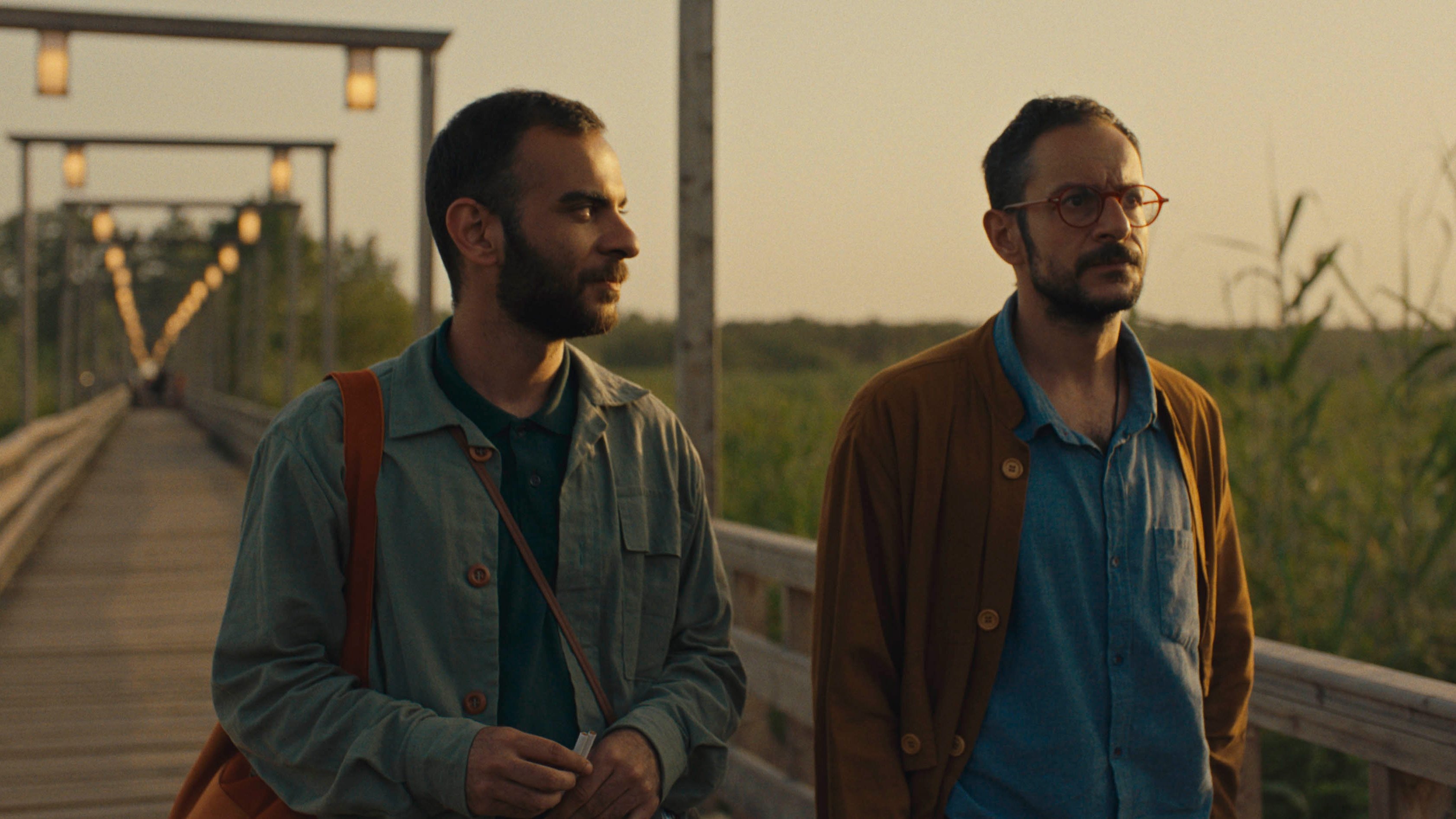



In a world where suicide requires a permit, a man seeking to end his life meets "Soulbound." To regain his permit, he must spend a day with this enigmatic figure, whose presence stirs forgotten memories, pulling him back toward the fragile echoes of a life he thought he was ready to abandon.
It's chock full of dream-come-true moments for Spidey fans, but its lack of substance reeks of a self-indulgence that is rare even in fan fiction
If you mix religious rituals with dark mythology, the result will be effective, and the story powerful in 90% of the cases. That is exactly what happens at the beginning of The Vigil.
Dead to Me Season 2 pulls together elements of comedy, drama, romance, and thriller to craft this truly gripping series.
It’s almost the end of the first month of 2021, and just over a week since the U.S. saw a new president take office. In light of the occasion, some of us highlighted our favorite political films below!
“To be universal, you have to get specific”: while the film does not attempt to provoke discussions about queerness or race, those watching closely may find something resonant in Sorrentino’s love letter to the Naples of his youth.
It’s hard to capture the emotions and thoughts of a character just from a few shots, but Oscar-nominee composer Micachu's haunting melodies prove otherwise in 'Jackie'.