







“Uncle Frank”: Acceptance and Queer Representation
Growing up with a lot of siblings, young Beth felt ignored her immediate family. Uncle Frank made her feel seen, heard, and accepted.
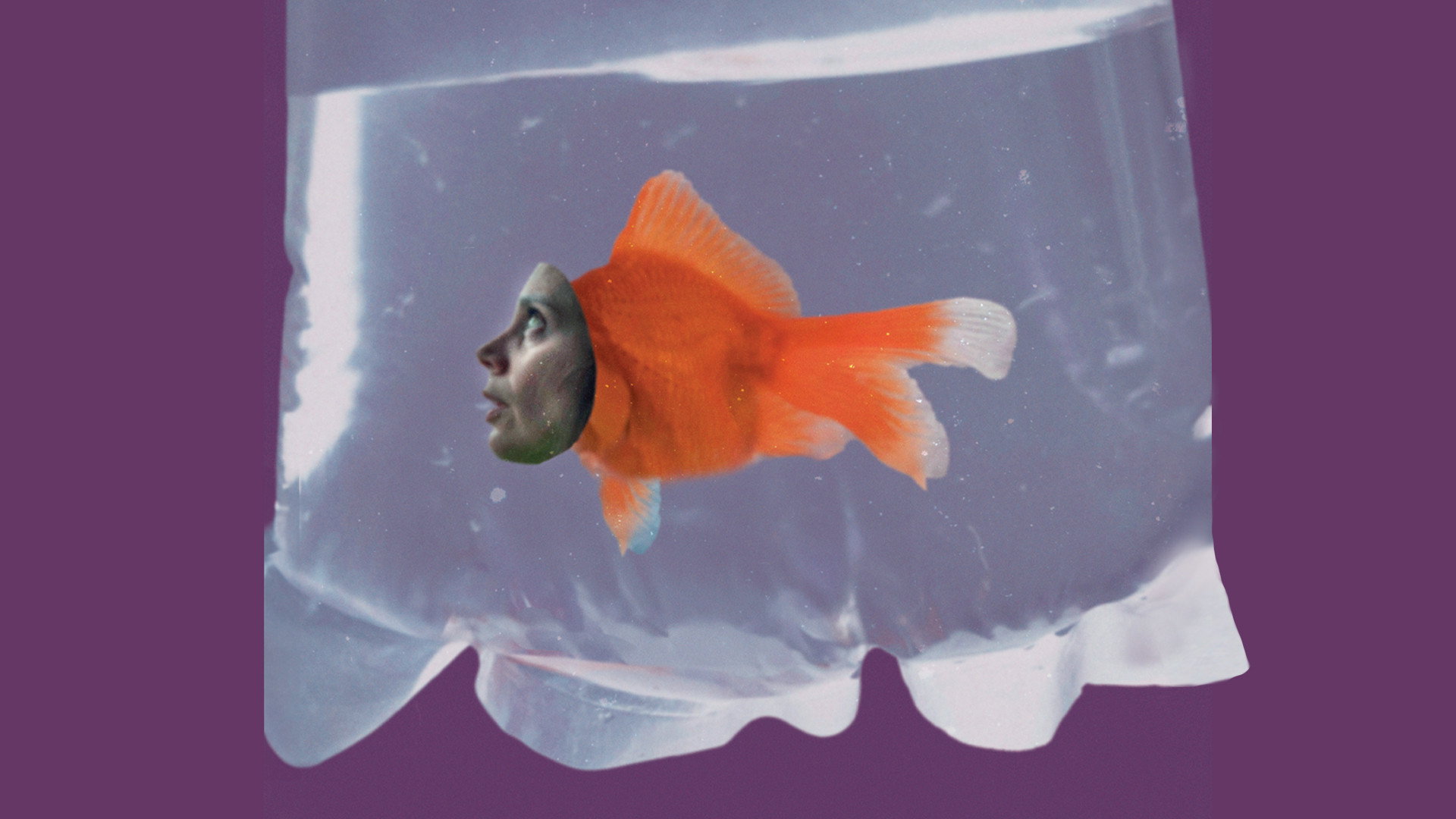


A woman is miraculously cured of a deadly illness, which sends her into an existential crisis, as she had not only accepted death, but had actually been looking forward to it. Burdened by existence, she begins to daydream about being something else. She becomes envious of her happy and carefree golden retriever, Walter. Her obsession with Walter’s seemingly perfect life, makes her forget to live her own. While she’s paralyzed by the gift of life, Walter sets off on his own adventure.
Growing up with a lot of siblings, young Beth felt ignored her immediate family. Uncle Frank made her feel seen, heard, and accepted.
Vivarium is an uncomfortable and startling look at how easily progress devolves in the face of overwhelming stress.
True crime media is notoriously obsessed with the “missing white woman” trope, and yet the vast majority of American murder victims are male, and well over half are people of color.
Renee Zellweger shines in this Judy Garland biopic, which highlights the pain and loneliness that so many famous women endure.
In Spike Lee’s She’s Gotta Have It (1986), we follow the love life of powerful female protagonist Nola Darling (Tracy Camilla Johns) and explore the relationship dynamics she has with her partners. She sees three men simultaneously: Greer Childs, (John Canada Terrell) Mars Blackmon (Spike Lee), and Jamie Overstreet (Tommy Redmond Hicks). Though an 80’s film, She’s Gotta Have It is surprisingly progressive with its themes of female sexuality, although at some points in the film it is handled clumsily. Overall Nola is an incredibly compelling character especially for modern women, as we as a society acknowledge female sensuality more and more without the negative stigma.
A family comedy that combines fantasy and normal school life.