






What 'Magnolia' Says About Childhood Trauma
Magnolia focuses on how one’s childhood and trauma relate to their confidence and self.
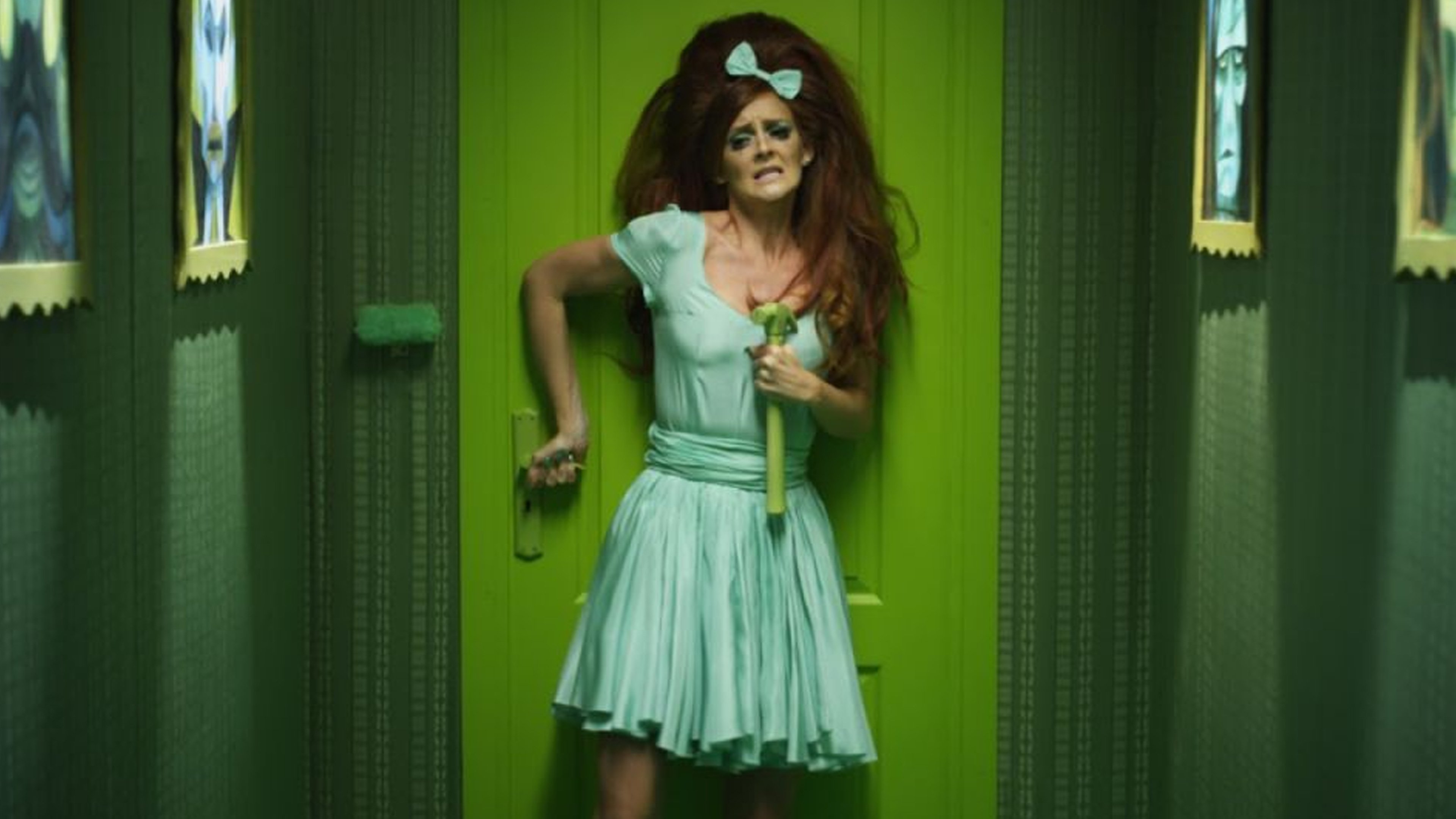



The love that a mother feels justifies everything, a mother is capable of murder because of her child, she kills, she steals, she works the corner or any other thing that keeps her child alive; the love that a mother feels, brings up the better and the worst in every woman. Ursula (Ana Polvorosa) is a mother and she is living two tragedies at the same time, a zombie invasion and the fact that her husband left home with their son, Nicolas. To Ursula, the zombie invasion is just “an anecdote” because she, as a mother and as a woman, only cares about her missing child, helpless and alone in a world surrounded by green and crazy beings.
Magnolia focuses on how one’s childhood and trauma relate to their confidence and self.
When a group of White women are invited to dinner by an Indian woman and a Black woman to talk about race in America, sparks fly.
What makes the lighting in Casablanca even more impressive is how it reflects the emotional states of the characters without needing explicit dialogue.
‘Concerto’ is esoteric at best, meant to satisfy the non-melanted’s sense of nostalgia. It is revisionist at worst, cherry-picking images that defy the true tapestry of the human condition.
Although Christmas is a time of year for love and cheer for all, holiday cinema has not always represented diverse communities. Being a holiday with Christian origins, much of its media consists of straight white families or straight white romances. Luckily, modern years have been bringing with them plenty of POC and LGBTQ+ representation that the holidays so desperately need.
This MiamisFF Review is on the short film 'Rewind Thirty'. Created and released in the United States, this short film has an unclear message.