


Writing Great Villains: Why They Shouldn't Be Sympathetic
Writing great villains is about striking a balance between charming and evil, so we love them but also love to see them lose.
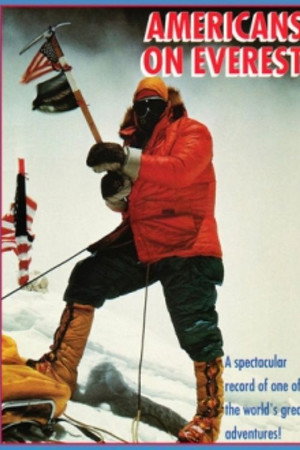


"In 1963, Swiss climber Norman Dyhrenfurth began 'a little war against a big mountain.' Leading 19 Americans, 32 Sherpas, and 909 porters carrying 27 tons of gear, Dyhrenfurth spearheaded the highly successful 1963 American Mount Everest Expedition for his adopted country. Jim Whittaker, accompanied by Nawang Gombu Sherpa made the first ascent by the Hillary-Tensing route. On May 22, Tom Hornbein and Willi Unsoeld made the first ascent by the unclimbed West Ridge. They descended by the South Col, making the first traverse of Everest. Orson Welles narrates the spectacular record, and the film includes the first ever filmed images from the summit."
Writing great villains is about striking a balance between charming and evil, so we love them but also love to see them lose.
After the 2018 surprising hit "A Quiet Place" brought something fresh to the horror genre, the announcement of a sequel may have been disappointing to some. A lot of the time, a sequel to an already successful movie is no where near as good as the original. Yet, John Krasinski once again shows that he's much more than Jim from The Office.
An anti-war film denouncing the valorization of senseless violence, 'All Quiet on the Western Front' is (unfortunately) all too relevant in 2022.
Steven Spielberg's West Side Story (2021) improves on the original's terrible representation, poorly written romance, and more. --> check out reviews & film summary
After years of silence, trauma, and backlash, Rose McGowan tells her own story in this miniseries.
Dead Poets Society relies on patriarchal tropes such as overbearing fathers, contrived brotherhood, and faux-individuality in order to portray its straight white male characters as oppressed.