






Dead Poets Society Steals a Queer Story
Dead Poets Society relies on patriarchal tropes such as overbearing fathers, contrived brotherhood, and faux-individuality in order to portray its straight white male characters as oppressed.
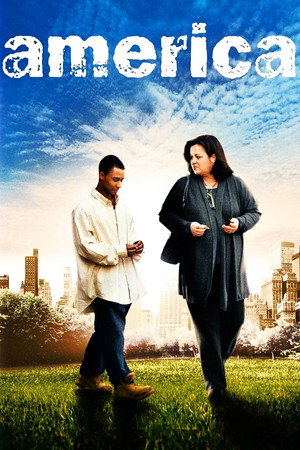


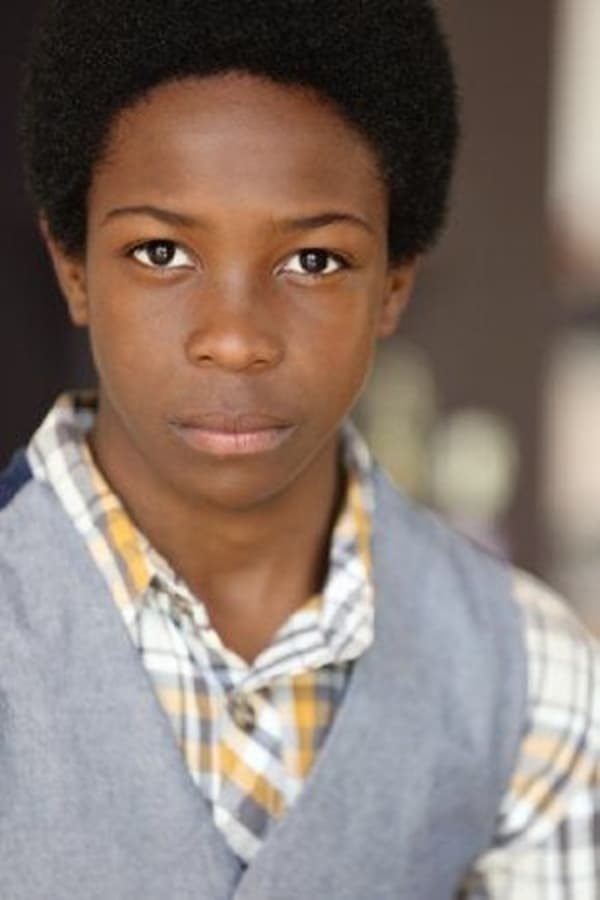
In "America," Dr. Maureen Brennan, a psychiatrist at a youth treatment center, encounters her newest patient, a bi-racial boy named America. Through their sessions, Dr. Brennan helps America come to terms with his roller-coaster life, which began when he was taken by authorities from his crack-addicted mother, and placed into foster care as an infant. The short time of stability in his life occurred when America lived with Mrs. Harper, the elderly nanny to one of his foster families. Later reunited with his mother, she soon abandons America and he is again placed into foster care. Lagging behind in school and full of anger, America retreats further away from society after years of sexual abuse. After attempting suicide, America is placed in a treatment center where Dr. Brennan helps him open up about his painful past and discover the support and courage he needs to get his life back on track.
Dead Poets Society relies on patriarchal tropes such as overbearing fathers, contrived brotherhood, and faux-individuality in order to portray its straight white male characters as oppressed.
'City of God' depicts the cylindrical cycle of violence that is forced upon the underprivileged.
After two months of refusing to see this movie, I have decided that it’s finally Morbin’ time. After its re-release as a box office bomb; I watched it just to laugh at it. But, I was also surprised, because 'Morbius' is a queer allegory.
Escape The Field is a serviceable horror thriller. The characters are easier to remember as horror character tropes. As I wrote this review, I only remembered the characters by their tropes: #FinalGirl, #Everyman, #Badass, #MeanB*/SexyGirl, #Realist/BlackLesbian, and #TheNerd.
Complex relationships between mothers and daughters are far from a new concept, whether the strain comes from abandonment, beliefs, or trauma. In My Only Wish, an Incluvie Film Festival submission, Brenda Gutierrez’s take on her character’s maternal divide comes in the form of abandonment.