






Poverty In Black And White
Poor Black characters are usually surrounded by crime and violence, while poor White characters are portrayed as noble and hard-working.



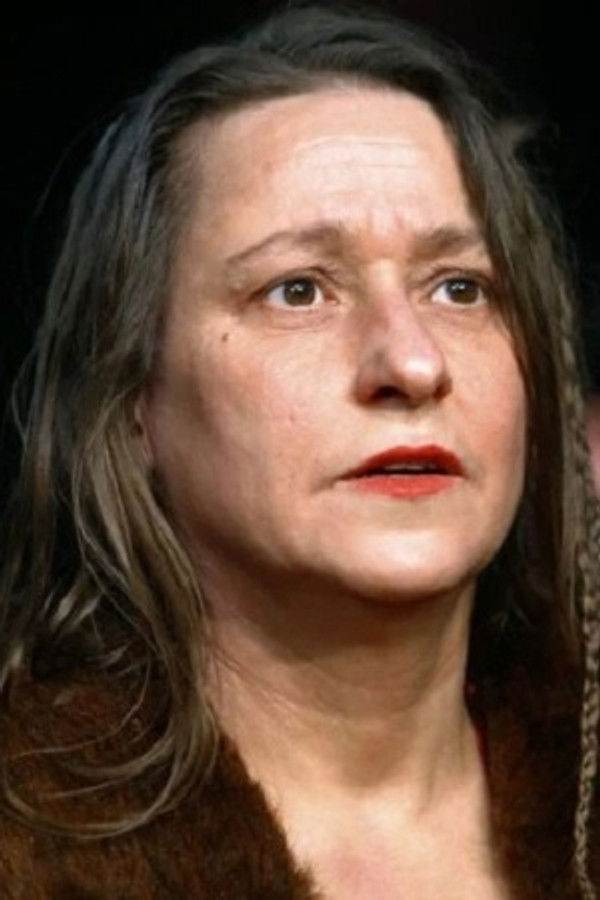
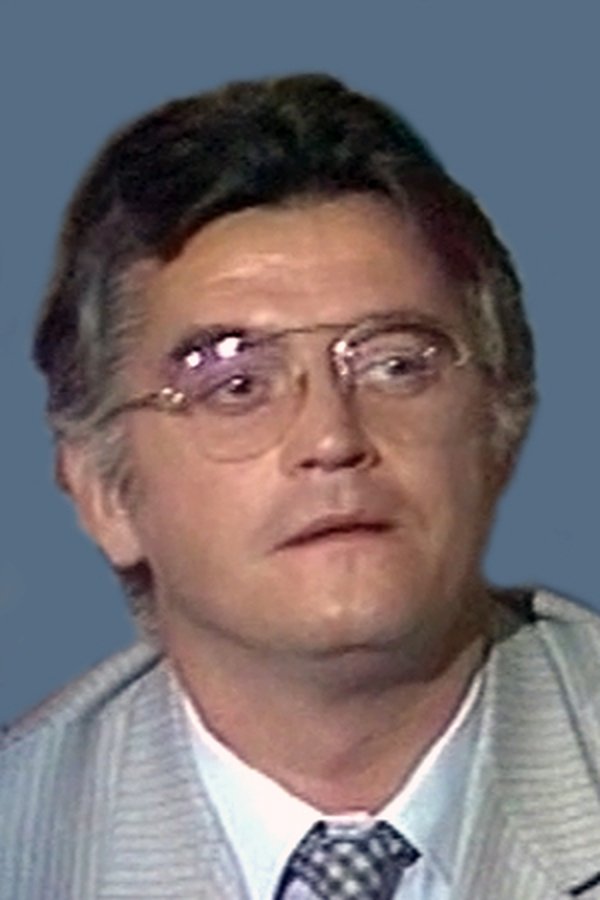
Ina, just released from prison, returns to the place of her childhood in search of life and meets the occasional desperado Domühl in her mother's house, which has been empty for thirty years. Hagen, a mentally handicapped resident, also ends up in this unusual landscape somewhere in the middle of nowhere south of Berlin in search of his uncle.
Poor Black characters are usually surrounded by crime and violence, while poor White characters are portrayed as noble and hard-working.
Women have always been integral to science fiction, and these amazing women prove why.
Sorry to Bother You ultimately speaks to the unfair advantages that the country’s power structures award to those with the resources to control others, as Lift’s easy access to the media allows his opinion to be the only one that matters in the eyes of the unsuspecting and easily impressed public. Moreover, it reveals the extent to which the American Dream has any true validity. It postulates how the promise of success and fulfillment as promoted by the American Dream more often than not leads to the undoing of the individual. Interestingly, in its revealing of the American Dream as merely a facade, Sorry to Bother You wisely questions whether or not anything can really be done to undo a system that has been accepted and in action for centuries.
Izzy and Prince Thomas learn that taking control of their own destiny requires following their hearts and making their own decisions.
I came across Urchin by chance and decided to watch it because of the title. It made me think of the spiky animal that lives at the bottom of the ocean, and the old Dickensian novels, where an urchin was an orphaned, homeless child in shaggy and dirty clothes.
John Fawcett’s "Ginger Snaps" intertwines the lore of the werewolf to the hellish experience of a young girl going through puberty.