

Guillermo del Toro's Pinocchio
During the rise of fascism in Mussolini's Italy, a wooden boy brought magically to life struggles to live up to his father's expectations.
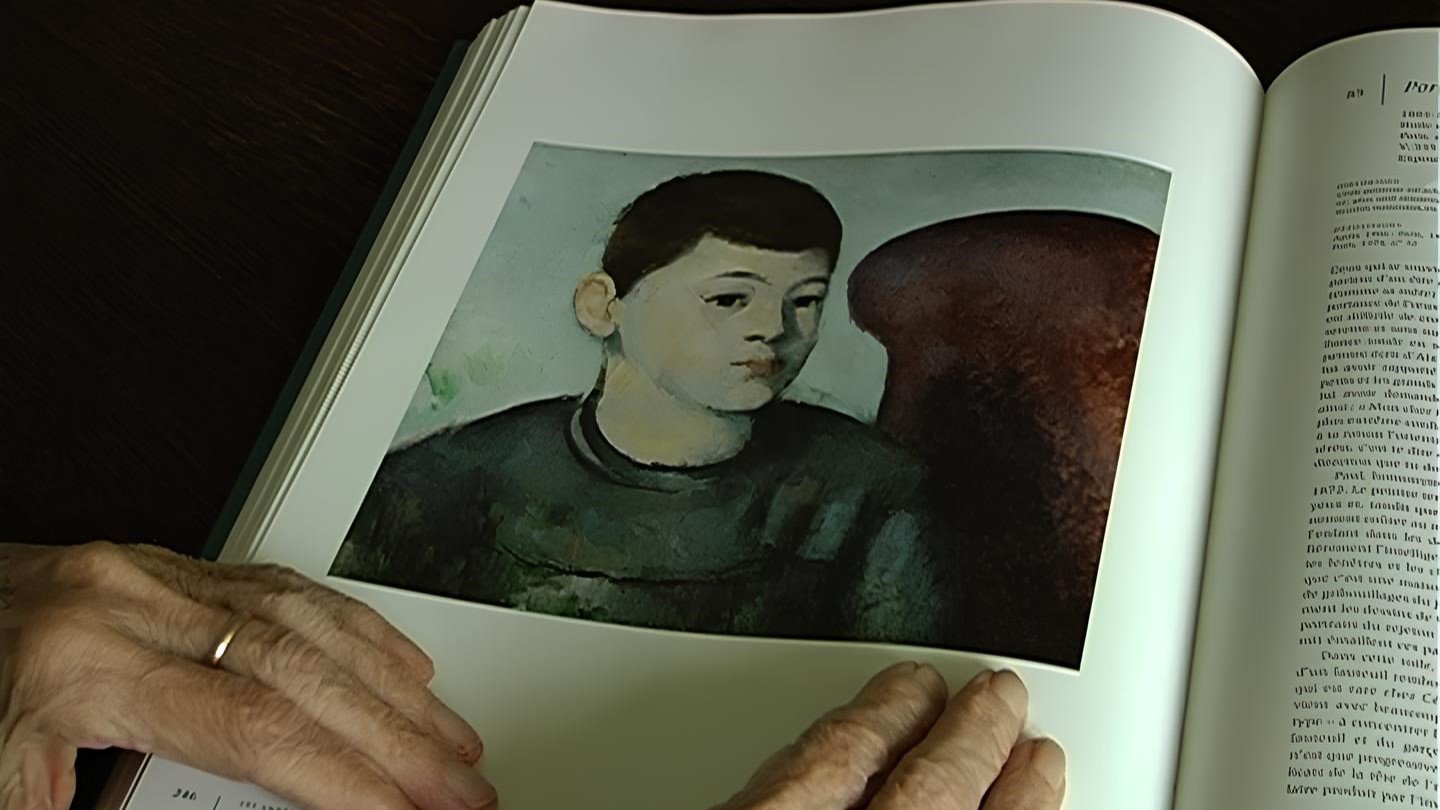
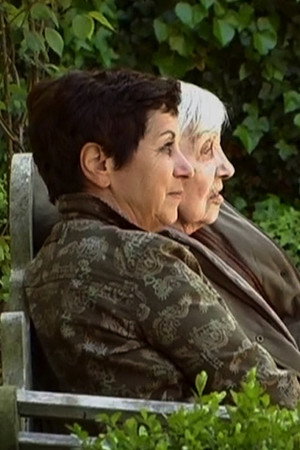


“It begins with an exhibition at the French Institute in Munich. We had decided to create an installation together [with Vincent Barré] in the greenhouse of the Seyssel d’Aix palace: a tribute to Paul Cézanne and his final model, the gardener Vallier….We spoke about the project with one of Vincent’s childhood friends, Christine Toffin, who reminded us that she was related to the painter. Her aunt, the painter’s granddaughter, still lived at Bourron-Marlotte. We decided to go and film Aline Cézanne in her retirement home at Bourron-Marlotte….It was during the sound editing that we thought of making a film using the images we had shot for the sound. The framing is minimal – it’s fine as it is, but it was not set up with a film in mind. A year later, we went back to see Aline. Her speech had become more confused and we went off with her to the village to find the houses of her childhood.”
During the rise of fascism in Mussolini's Italy, a wooden boy brought magically to life struggles to live up to his father's expectations.
In this short film, writer/director Nikita Hattangady focuses on Jai, a starving artist rooted in the latter category. Though unhoused, he works hard.
For viewers who love eating burgers, shakes and fries on the go along with a tasty side of nostalgia.
There's no hiding the horrors of war in this inspiring story of survival
I think that the happiness and survival of "Wynonna Earp"’s LGBTQ+ characters is incredibly refreshing in contrast to the prevalence of queer suffering and death in other television.
Throughout Brendan Fraser’s career, he has played a plethora of unique, layered characters who explore the importance of not being afraid to display your emotions, something that is often seen to not be a masculine trait. This idea of regulating emotion and what traits men are able to possess creates a toxic atmosphere for men who are often told they should not cry or represent their emotions in any physical way. These characters represent that men can be joyful, emotionally conscious, and sensitive, while also representing their masculine identity instead of painting those qualities as fighting against their masculinity.