Alien Beasts (1991)
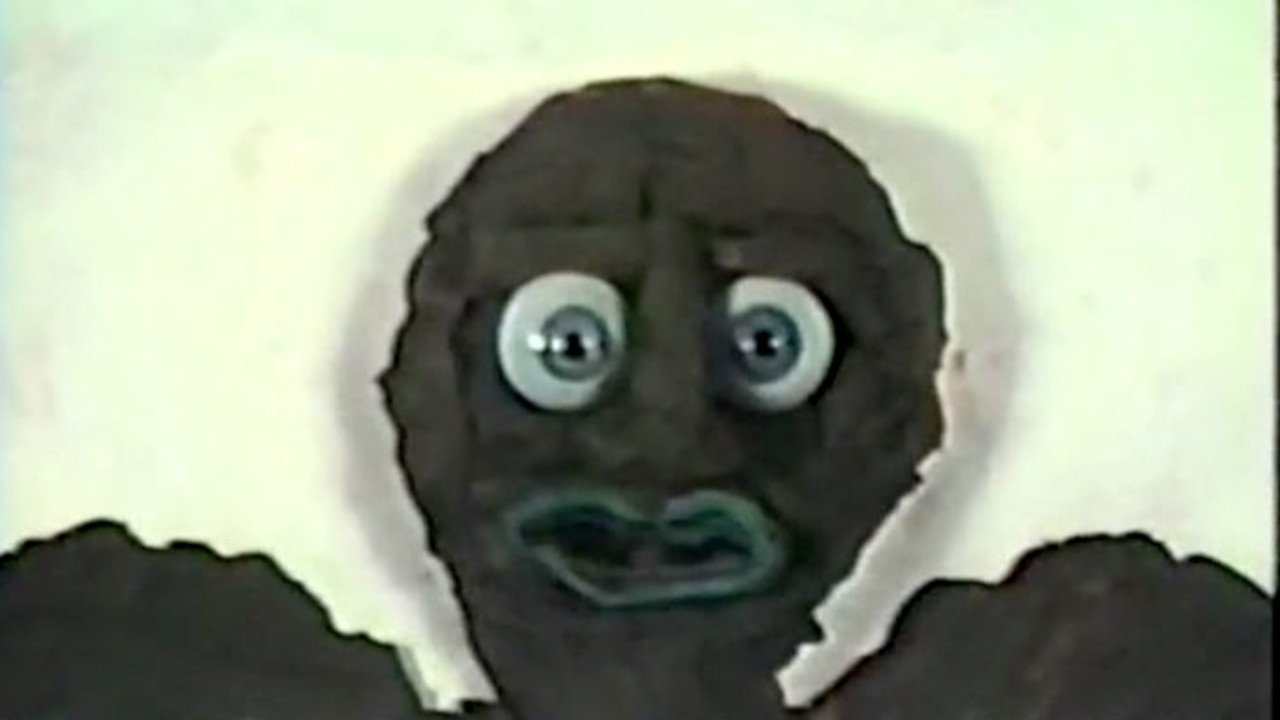
Carl J. Sukenick is the commander of a branch of the CIA, battling terrorists with martial arts, while his dad keeps watch in the security center. Neal was sent out, but is a traitor, and he was mutated by a radiation blast. He sends Sara Shell to meet her husband, Agent Mark Shell, and daughter Sheila, but the three are brutally maimed and murdered by enemy agents. One cuts off Sara's hand for no apparent reason. A radiation blast from Neal the Traitor, who is wandering around an aqueduct killing passersby, mutates Joe as well. Carl says they knew nothing of the "hideous extra-dimensional being" breaking into this dimension, but he sends Evon, Rhonda, and Hackney to fight the mutations and the agent, who giggles constantly, before learning that there is another traitor and an alien, so he decides he must kill all his friends and find and kill the "hideous extra-dimensional being."

- / 5
PopScore
Representation
Pictures and Videos

Movie Information
Carl J. Sukenick is the commander of a branch of the CIA, battling terrorists with martial arts, while his dad keeps watch in the security center. Neal was sent out, but is a traitor, and he was mutated by a radiation blast. He sends Sara Shell to meet her husband, Agent Mark Shell, and daughter Sheila, but the three are brutally maimed and murdered by enemy agents. One cuts off Sara's hand for no apparent reason. A radiation blast from Neal the Traitor, who is wandering around an aqueduct killing passersby, mutates Joe as well. Carl says they knew nothing of the "hideous extra-dimensional being" breaking into this dimension, but he sends Evon, Rhonda, and Hackney to fight the mutations and the agent, who giggles constantly, before learning that there is another traitor and an alien, so he decides he must kill all his friends and find and kill the "hideous extra-dimensional being."
Rating:
Genre:Horror, Science Fiction, Animation
Written By:Carl J. Sukenick
In Theaters:9/4/1991
Box Office:
Runtime:75 minutes
Studio:C.J.S. Film & Tape Production & Distribution Ent.
Cast

Carl J. Sukenick
Director

Neal Dealosi
Neal the Traitor
Joe LaPenna
Joe
Mark Torreso
Mark Shell
Sara Victor
Sara Shell / Female Enemy Agent
Evon Fargoun
Evon / Assassin
Rhonda Crawford
Rhonda / Assassin
Deveen Dellisee
Enemy Agent
Tom Hackney
Henry Hackney
Abe Sukenick
Abe, Security Officer
Carl J. Sukenick
Commander Carl J.J. Sukenick / Meat Cleaver Assassin
Peter Messina
Headquarters Commander (voice)
Articles You May Like
Event Horizon: A Cinematic Misfire
All in all, “Event Horizon” is a cinematic misfire, begging to be perfected in the future. While it possesses an array of admirable visuals, the film leaves much to be desired. If only we could see Anderson’s preferred cut, which featured more character development and tortuous imagery. In the meantime, I have a catchphrase for this film: In space no one can hear you snore.
"I Want Your Sex" Is The Erotic Thriller We Deserve
The Olivia Wilde renaissance is upon us.
"The Odyssey" Review: Christopher Nolan Delivers a Monumental Hollywood Epic
Christopher Nolan transforms Homer's ancient epic into one of the most breathtaking cinematic spectacles of his career. While its nonlinear storytelling and exposition occasionally hold it back, The Odyssey is a visually stunning, emotionally resonant blockbuster that demands to be seen on the biggest screen possible.
In the Long Run, the Answer To COVID Hangover.
A few episodes in, I realized the most prominent theme of In The Long Run wasn't culture, race or even finding independence--but the idea of belonging.
'The Hand of God': Authentic Memory or Cliché Love Letter?
“To be universal, you have to get specific”: while the film does not attempt to provoke discussions about queerness or race, those watching closely may find something resonant in Sorrentino’s love letter to the Naples of his youth.