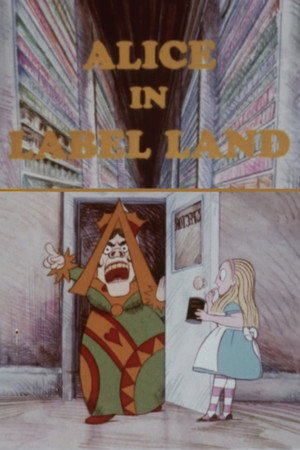
Alice in Label Land
Lewis Carroll's 'Alice' stories are used to explain certain sections of the Labelling of Food Regulations 1970.

- / 5
PopScore
Representation
Pictures and Videos

Movie Information
Lewis Carroll's 'Alice' stories are used to explain certain sections of the Labelling of Food Regulations 1970.
Rating:
Genre:Documentary, Animation
Written By:
In Theaters:
Box Office:
Runtime:12 minutes
Studio:Ministry of Agriculture, Fisheries and Food, COI, Richard Taylor Cartoon Films
Cast

Articles You May Like
'The Half of it' Handles its Presented Social Issues Thoughtfully
The social issues The Half of it takes on are handled well, between the antagonization brought on to Ellie for her race and the conflict that arises from her being gay. Both aspects of her character are built up over the course of the film and don’t seem abrupt or rushed. The film shows racism towards Ellie and her and father in varying levels, from having her schoolmates specifically address her as "Chinese girl” to the fore mentioned way her Dad is treated due to language barriers. The same can be said about Ellie being a lesbian. While she never truly “comes out” in the narrative, that does not undermine her journey of self-discovery from being meaningful. These ideas aren’t thrust upon the viewer in a preachy manor, the scenarios that occur feel believable given the rural setting. The film presents watchers with problems whom those like Ellie may face, and leaves us to sit with them and reflect.
'Better Nate Than Ever' takes to Broadway
The coming-of-age story that brings viewers into the world of Broadway, New York City, with musical talent and LGBTQ leads.
Netflix’s ‘Canvas:’ A Heartfelt Narrative About Love and Loss
Canvas illustrates the story of a grandfather who, after suffering the loss of his beloved, struggles to reclaim his love for painting.
Incluvie Classics - 'Ganja & Hess'
'Ganja & Hess' is a 1973 experimental horror film, written and directed by the visionary auteur Bill Gunn. It was meant to be a straightforward blaxploitation film – but director Gunn had grander ambitions.
Olivia Rodrigo's 'driving home 2 u': How She Became Well-Recognized in the World
The singer recounts the memories of writing and creating her record-breaking debut album and shares her feelings as a young woman navigating a specific time in her life.