
What’s Missing in the Lilo & Stitch Posters? A Face and a Deeper Concern
Where is Lilo's face? Disney marketing sends a chilling signal: that even in 2025, an alien is more palatable and marketable than a brown girl.

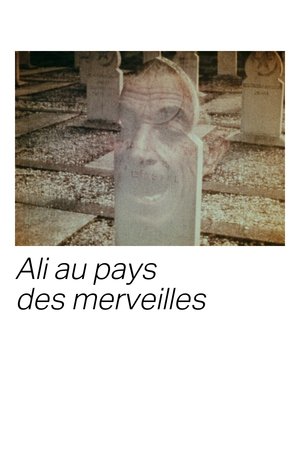


Ali in Wonderland unveils the condition of immigrant workers in Paris in the 1970s. It is a cry of anger against exploitation and racism, uncompromisingly raising the role of the French state, the media, capitalism, and colonization in this system of domination that crushes those who suffer it. In this experimental essay on the condition of Algerian migrants in Giscard's France in the mid-1970s, every aesthetic choice has a precise and legible political motivation and gives body and voice to a figure completely absent from the experimental cinema of the time: that of the immigrant worker. Abouda is one of the children of immigrants seen in the film, and not a simple activist serving a cause, which is why the emotion of her experimental gesture, which she throws in the viewer's face, springs from a ferocity inscribed in her body, from an insatiable anger that inhabits her gaze.
Where is Lilo's face? Disney marketing sends a chilling signal: that even in 2025, an alien is more palatable and marketable than a brown girl.
"La Noria" deftly subverts audience expectations as it explores childhood grief, anxieties, and pain. The award-winning short shows us that often our monsters are often sprung from our darkest places.
Zombie apocalypses have been metaphors for late-stage predatory capitalism, but never a system disrupter that brings about freedom.
The Last Duel is about rape. Although the film delves into rape culture in medieval Europe, there are many striking similarities to modern rape culture.
Han's turn to villainy in 'Frozen' was foreshadowed cleverly in the story.
The live-action remake of the classic Disney film based on a wooden puppet is finally here.