
Kill Bill Volume 2 Review: A Worthy Sequel With Hidden Depths
I highly recommend Kill Bill: Volume 2. In classic Tarantino fashion, specific sections of the film are a tad too long, but overall, it’s a wonderful piece of escapist fiction.
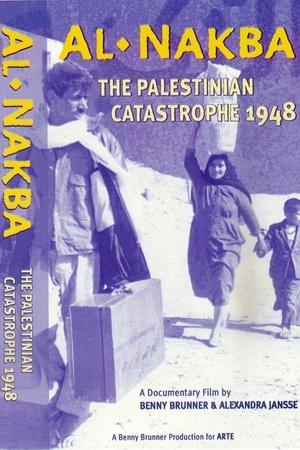


Al Nakba: The Palestinian Catastrophe 1948 is a groundbreaking documentary film that comprehensively examines the events that resulted in the creation of over 700,000 Palestinian refugees and the destruction of approximately 400 Palestinian villages at the end of the first "Israeli-Arab war" in 1948. Featuring historian Benny Morris and drawing on his book “The Birth of the Palestinian Refugee Problem, 1947-1949,” this film is conducted in both Hebrew and Arabic with English voice-over. It is widely regarded as the first film to seriously tackle these historic events.
I highly recommend Kill Bill: Volume 2. In classic Tarantino fashion, specific sections of the film are a tad too long, but overall, it’s a wonderful piece of escapist fiction.
While everyone was going gaga over The Odyssey, Desert Warrior was quietly taking audiences on an epic Arabian “knights of the sand table” adventure
Many have interpreted Maya Deren’s Meshes of the Afternoon as a dream sequence, but what if the repetitive scenes we are given are not dreams but, a time loop.
Released on Netflix this last July, Mile End Kicks, catches the eyes of those who are wanting to escape the disasters of 2026 and visit the era of peak Tumblr, unforgettable music hits, and iconic fashion trends—-of 2011. This coming-of-age film directed by Chandler Levack succeeds at portraying an accurate representation of what life was like in the early 2010’s.
'An American Werewolf in London' possesses a possible queer reading in the way it envisions a heterosexual romance being undone by the presence of a creature who embodies self-contentment in the face of social alienation.
A world of expansion awaits.