




Rallies and Musical Numbers: Hairspray Unpacks Racism in The 1960s
The multifaceted musical represents America in the 1960s and the battle against bigotry as an ensemble cast portrays how to fight for the limelight.
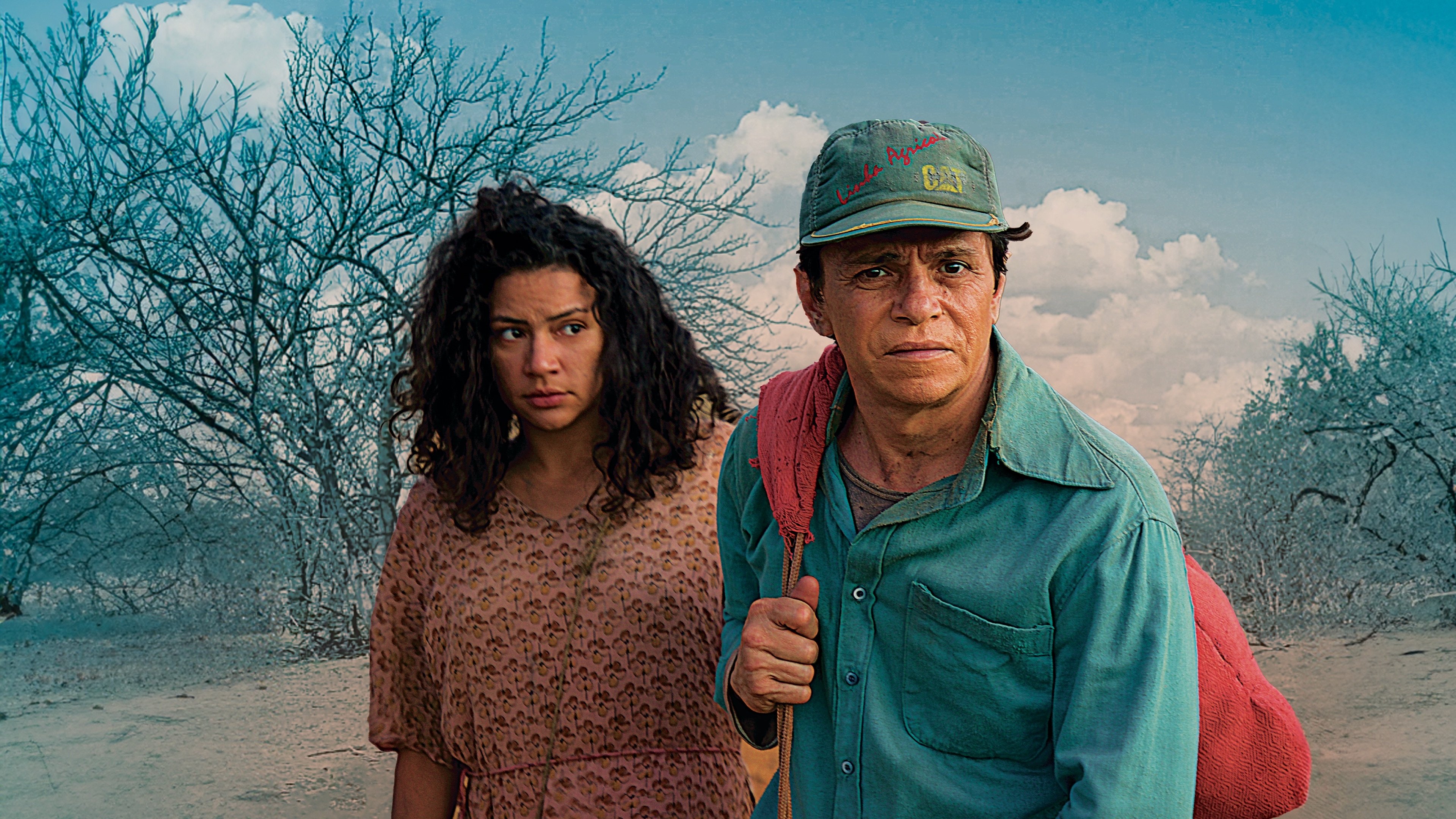
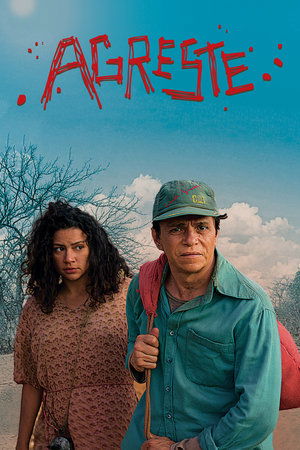


In the heart of the Brazilian backlands, Agreste tells the story of Etevaldo, a nomadic and reserved rural worker who carries a dark secret. When he meets Maria, a free-spirited young woman promised in marriage to an influential man from the neighborhood, the two fall deeply in love. Forced to flee due to the imminent wedding and the threats they face, they are taken in by Valda, a religious woman who sees Maria as her own daughter. While they try to find refuge, the arrival of Ribamar, the local sheriff's nephew, intensifies the tension. He is investigating an alleged theft, and his investigations begin to reveal Etevaldo's past, which fuels the hatred of the local community. Amid chaos, love and the struggle for survival challenge Etevaldo and Maria, testing secrets, betrayals, and a growing pressure from a society that does not accept their union.
The multifaceted musical represents America in the 1960s and the battle against bigotry as an ensemble cast portrays how to fight for the limelight.
Although bogged down by a slow pace and moralistic intent, ‘Deadly Garage Sale’ (2022) makes the most of its silly and nonsensical premise.
Can a homeless yet optimistic teenage girl learn to accept a helping hand?
Spotlighting the legacy of the legendary Raymond Lewis through the love of a devoted daughter.
Neo Sora left a realistic and yet hopeful notion for the near future and the now.
When it comes down to it, The English explores what happens when power is unchecked and how those who seem powerless, have more strength than most through their convictions for justice.