








‘Little Woods’ Review: A Powerful New Take on the Western Genre
'Little Woods' rethinks the Western genre and examines the misogyny and classism inherent in the healthcare industry.

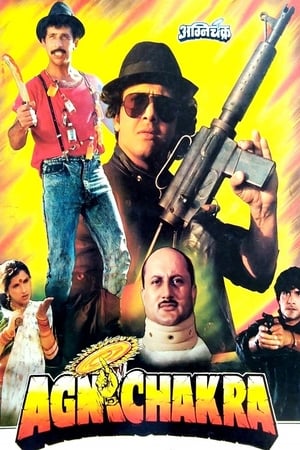
Amar lives a middle-class life with his Police Inspector brother, Suryaveer, and sister-in-law, Beena. Suryaveer is assigned to handle the task of apprehending a group of terrorists, headed by Jumbo, who have made their hideout in a dense forest in Central India. Suryaveer's partner is Inspector Satpal, who is an alcoholic. Suryaveer is also told that six other police inspectors have lost their lives in this assignment. Nevertheless, Suryaveer and Satpal get ready to tackle this task and do penetrate deep into the forests. Then Beena gets the devastating news that Satpal has been injured and her husband has been killed. The police assign this matter to another Police Inspector by the name of Vikas, and Amar and Satpal lend a hand to support him.
'Little Woods' rethinks the Western genre and examines the misogyny and classism inherent in the healthcare industry.
The plot could’ve really been interesting if the elements of lycanthropy was integrated with perhaps the struggle of identity of being LGBTQ+. It's an experience for so many that as they’re starting to realizing their true selves, they feel like a monster, especially if they come from unsupportive homes or communities. Instead, the horror and transformation elements seem thrown in without contemplation of how this could deepen the narrative.
A few episodes in, I realized the most prominent theme of In The Long Run wasn't culture, race or even finding independence--but the idea of belonging.
Four documentaries, now streaming on the Criterion Channel, embody the adopted slogan of the current protest movement: Woman, Life, Freedom
Alfred Hitchcock’s 1960 film "Pyscho" is an American film classic that still resonates today.