


San Junipero: Queer Heaven on Earth
Battles will come and go and queer people do die for their identity and fights for rights, but that doesn’t mean the gays don’t deserve their happy endings in stories.

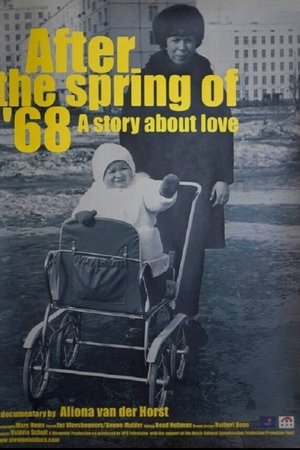
Film about falling in love across a political, cultural and geographic divide. It tells of Simon, a Dutch communist student in Moscow, who meets and marries the Russian Zoya in the spring of 1968. Simon returns to the Netherlands, expecting his wife to follow shortly afterwards when her exit visa is granted. Her application however is refused over and over again. Months pass and then years. A child is born to Zoya in Moscow: director Aliona van der Horst relates her parents' struggle in this tender account of family history caught up in international politics. In the numerous love-letters he wrote to his beloved Zoya feelings of helplessness are expressed: 'Our happiness depends on how the political wind blows'. Van der Horst uses these letters as a guideline through the film. To tell her parents' story, Van der Horst weaves together archival footage, home movies and photographs with contemporary interviews.
Battles will come and go and queer people do die for their identity and fights for rights, but that doesn’t mean the gays don’t deserve their happy endings in stories.
It is as bad as your remember, and you are fortunate if you've never watched it. Keep it that way!
Welcome to the first episode of the Incluvie Movie Highlights! We shine a spotlight on our favorite new movies that stand out for diversity and identity. Is Everything Everywhere All at Once too weird, or just the right amount of weird?
The film blends reality and the supernatural world together, leaving the viewer unsure of what’s real and what’s merely a figment of Michael’s agitated imagination.
Despite its simple premise, “imagine being a woman,” the horror behind "Men" feels fueled by a hollow understanding of the insidiousness of misogyny.