


Why "The Watermelon Woman" is Just as Powerful 30 Years Later
This movie will always resonate with queer people, for as long as queer people exist.
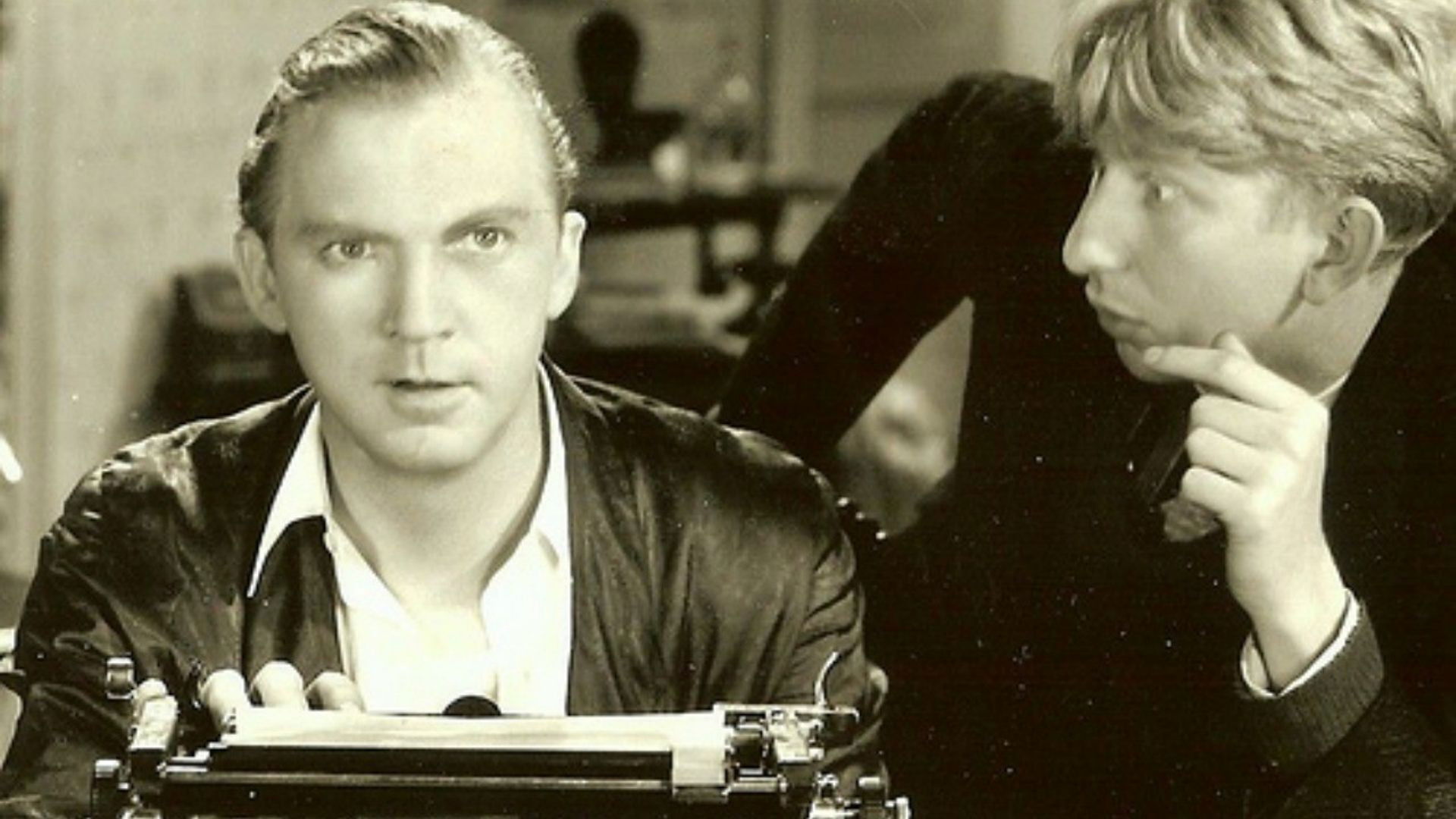
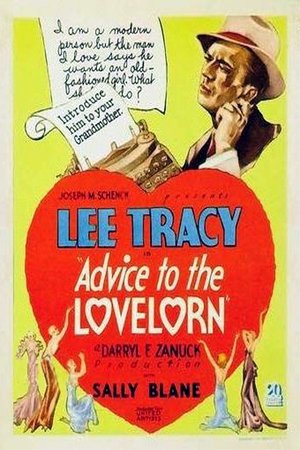


Los Angeles newspaper reporter Toby Prentiss is continually in trouble with his editor. He is demoted to running the paper's "Miss Lonelyhearts" advice column because he missed the scoop on a major earthquake whilst out on the town. Determined to be fired from the column he starts to give crazy advice to the readers, but this only makes him even more popular.
This movie will always resonate with queer people, for as long as queer people exist.
Coolie promised style, action, and Rajinikanth’s mass presence, but did it deliver on substance? Here’s my full review on whether Lokesh Kanagaraj’s film lives up to the hype.
Being made after the death of Chadwick Boseman will be a hard but exciting ride for this Marvel entry.
A film loosely based on the fairy tale Hansel and Gretel, with major twists to the original story.
In season 3 of 'Umbrella Academy', Diego, Allison, and Viktor finally get character arcs that address their unique experiences as a Latino man, a Black woman who lived through the 60s, and a trans man.
Seriously, and this is coming from someone who was extremely skeptical before giving it a watch. I assumed the show would be painfully boring, but one of the show's strongest qualities is you needn't know anything about the lore to get invested in it.