







“The Fog”: Women in Classic Horror
The Fog follows more of a 1950s creature feature plot than a late-70s slasher with three legendary scream queens.

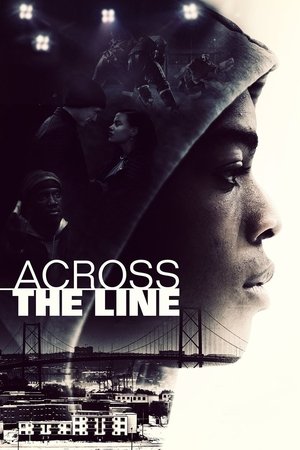


Out of the approximately 600 players in the National Hockey League, thirty are Black. Mattie Slaughter, a hockey phenom from the rural Black community of North Preston, wants to make it thirty-one. To reach his goal, Mattie needs to keep his nose clean and avoid trouble. Hard to do though, when you go to a school where racism taints every interaction, your older brother is a hustler and you’re crushing on a girl who’s already hooked up.
The Fog follows more of a 1950s creature feature plot than a late-70s slasher with three legendary scream queens.
A pop star at Radio City Music Hall gets the opportunity to change herself to save her music career.
Magnolia focuses on how one’s childhood and trauma relate to their confidence and self.
As a musical fan, I enjoyed the film and encourage anyone who likes dark humour and a bit of blood to give it a watch.
The social issues The Half of it takes on are handled well, between the antagonization brought on to Ellie for her race and the conflict that arises from her being gay. Both aspects of her character are built up over the course of the film and don’t seem abrupt or rushed. The film shows racism towards Ellie and her and father in varying levels, from having her schoolmates specifically address her as "Chinese girl” to the fore mentioned way her Dad is treated due to language barriers. The same can be said about Ellie being a lesbian. While she never truly “comes out” in the narrative, that does not undermine her journey of self-discovery from being meaningful. These ideas aren’t thrust upon the viewer in a preachy manor, the scenarios that occur feel believable given the rural setting. The film presents watchers with problems whom those like Ellie may face, and leaves us to sit with them and reflect.
Yes, "Nope" is definitely about the modern obsession with turning tragedy and horror into a spectacle for people’s enjoyment. But it's also about the power of looking, who has the right to look, and what happens to those who are looked upon.