





Why It Makes Sense That There Are Black Actors In “The Rings of Power”
Like many things, like animals and people, they always evolve. When the first humans walked the Earth, they originated from Africa and were all black.
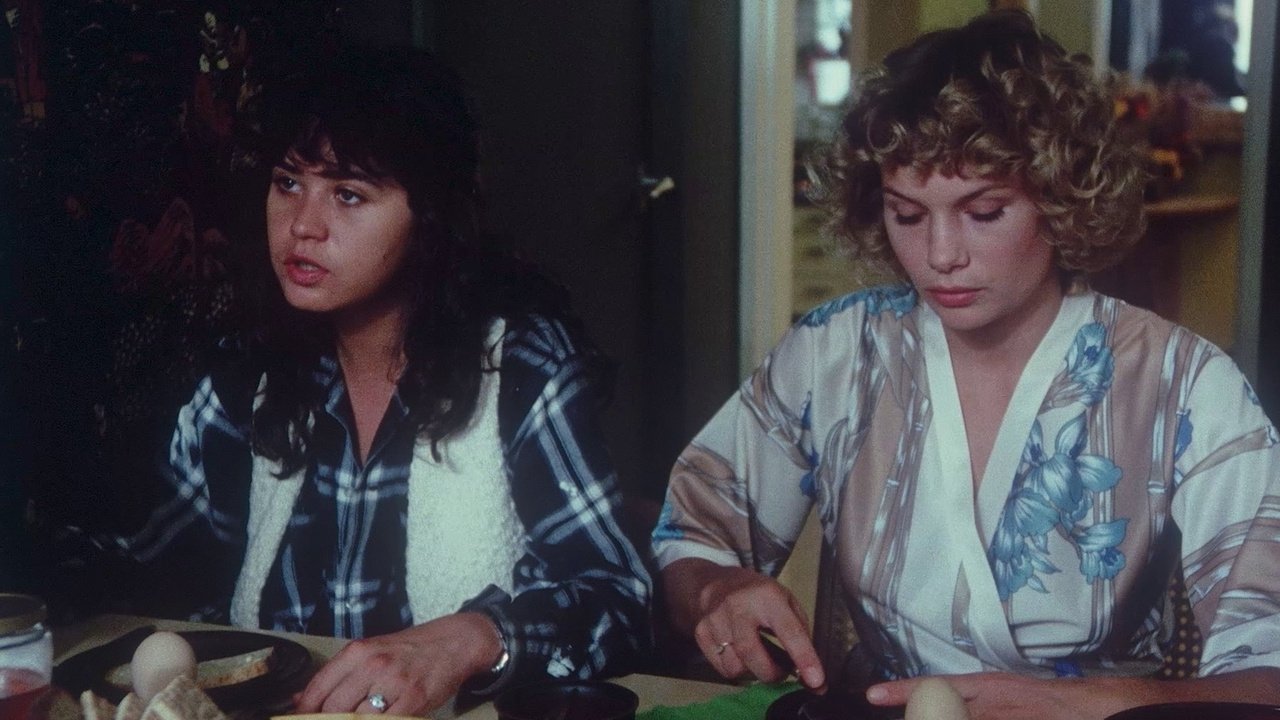
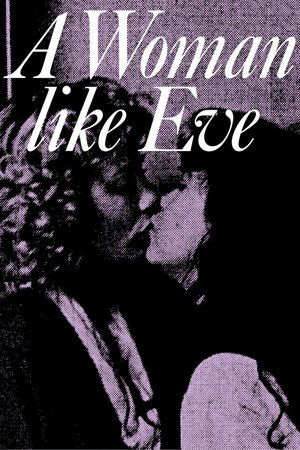


A devoted yet stressed out housewife takes a holiday to relax, and falls in love with another woman: a guitar-playing hippie who lives in a commune.
Like many things, like animals and people, they always evolve. When the first humans walked the Earth, they originated from Africa and were all black.
Throughout the film, Kate desperately tries keeping her status as an influential YouTuber; however, her follower and view count crumble, mirroring the world around her.
The initial reaction and review of Netflix's newly released romantic comedy featuring Haley Lu Richardson and Ben Hardy. Spoilers included!
There’s been a longstanding criticism of sci-fi films about its lack of Black characters. For the past few years, Anthony Mackie has been successfully representing Black masculinity in the otherwise homogenous genre and I am here for it.
The Invitation takes a creeping look at two simple premises: reuniting with forgotten friends and new-age spiritualism. Though one seems a bit scarier than the other, the film heightens social awkwardness to a macabre level that puts an uncomfortable look on when the social taboo of grief is put on public display.
The film exhibits a respect for the craft and an empathy for human tribulations that have historically been ignored.