'Fire Island' — The Newest Rom-Com Putting The Pride In 'Pride and Prejudice'
Fire Island is Hulu's most recent romantic comedy and the latest spin on the Jane Austen classic, Pride and Prejudice.
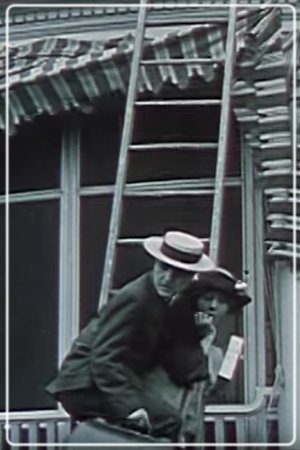


After meeting a handsome writer, Senator Carter's daughter leaves home and enters the employ of the Vitagraph Company as an actress. After waiting wistfully for her return, Senator Carter passes a theatre one day and sees his daughter featured in one the "Movies". He goes to the studio and after being shown through the plant he finds his daughter and reconciliation takes place. Besides being an interesting drama, the picture shows in detail the entire plant of the Vitagraph Company.

James Young
Director


James Morrison
Charles Mackay, A Young Author, Caroline's Sweetheart
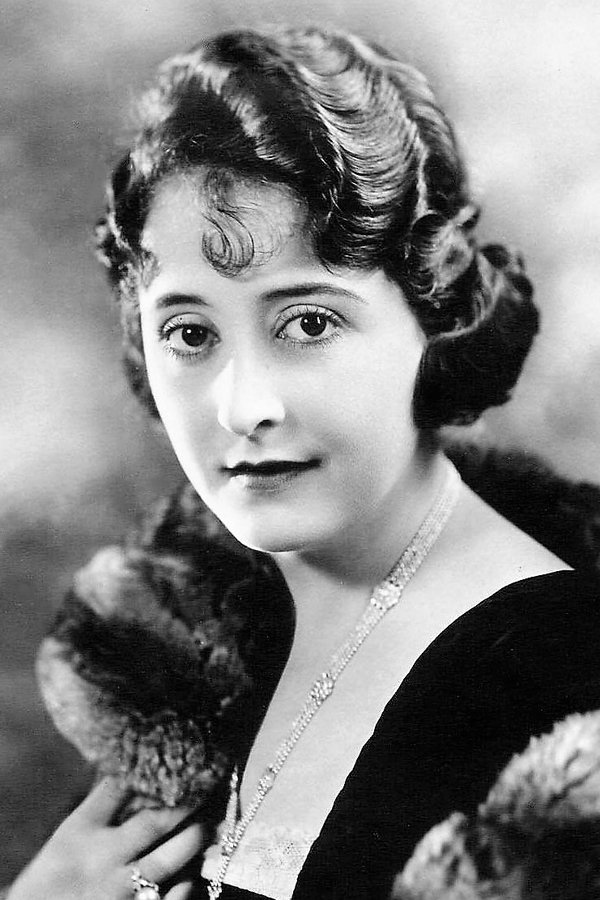
Clara Kimball Young
Caroline, the Senator's Daughter

Edward Kimball
Sen. Carter of Montana
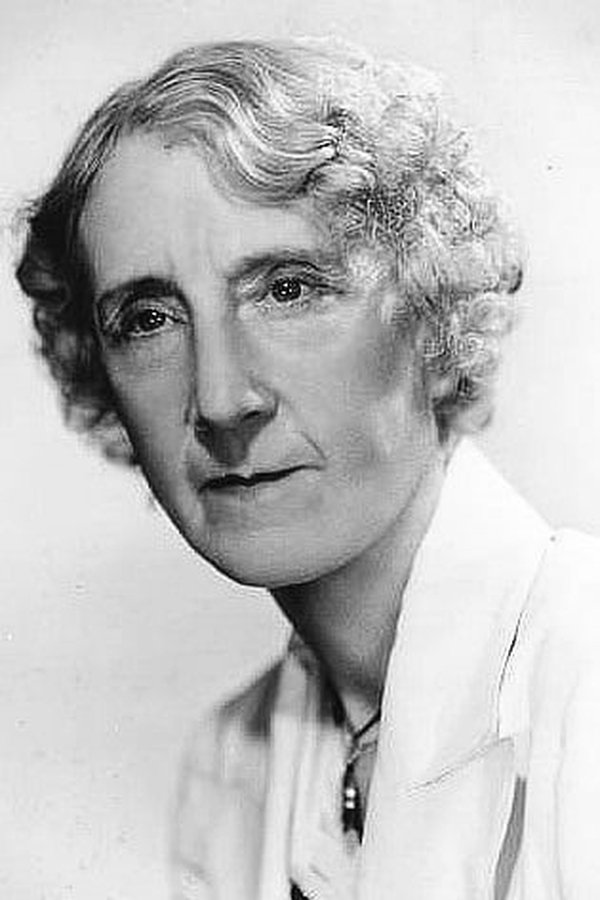
Flora Finch
Principal of Miss Flint's Seminary
James Young
James Young

Florence Turner
Florence Turner
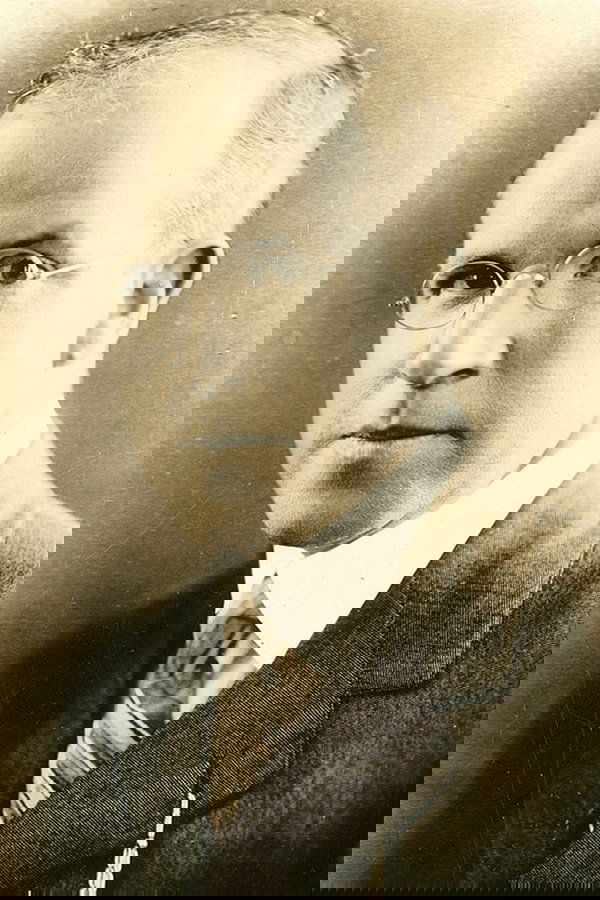
J. Stuart Blackton
J. Stuart Blackton

Maurice Costello
Maurice Costello
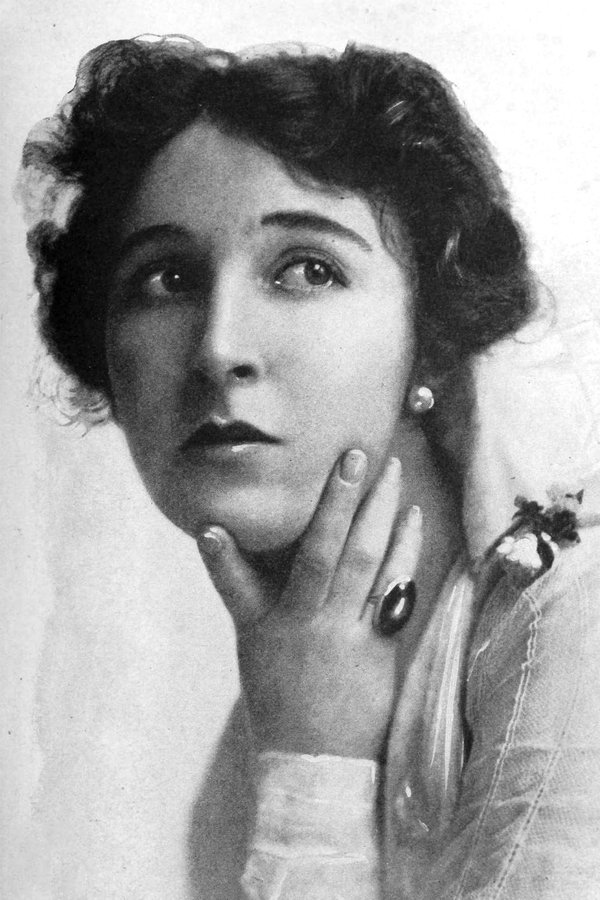
Edith Storey
Edith Storey
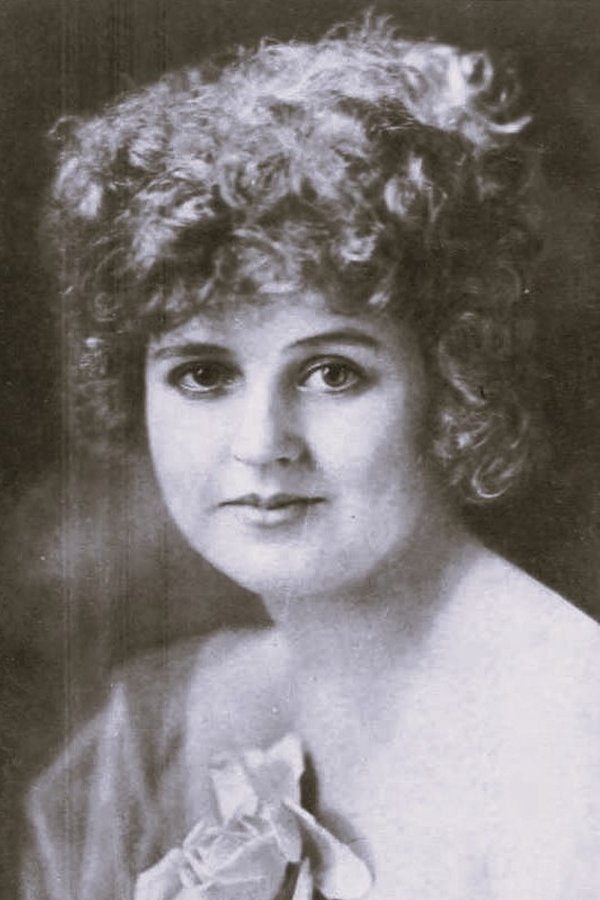
Lillian Walker
Lillian Walker
Albert E. Smith
Albert E. Smith
Fire Island is Hulu's most recent romantic comedy and the latest spin on the Jane Austen classic, Pride and Prejudice.
Hours before their line-up of screenings for Trans Awareness Week began, the filmmakers of 'When Men Were Men' chatted with me about the film's personal exploration of masculinity.
The social issues The Half of it takes on are handled well, between the antagonization brought on to Ellie for her race and the conflict that arises from her being gay. Both aspects of her character are built up over the course of the film and don’t seem abrupt or rushed. The film shows racism towards Ellie and her and father in varying levels, from having her schoolmates specifically address her as "Chinese girl” to the fore mentioned way her Dad is treated due to language barriers. The same can be said about Ellie being a lesbian. While she never truly “comes out” in the narrative, that does not undermine her journey of self-discovery from being meaningful. These ideas aren’t thrust upon the viewer in a preachy manor, the scenarios that occur feel believable given the rural setting. The film presents watchers with problems whom those like Ellie may face, and leaves us to sit with them and reflect.
Ultimately, Wicked is a story about the cost of being othered, the pain of being misnamed, and the quiet revolution of standing in your truth.
Ever since the mid-’90s, the Mortal Kombat game franchise has seen multiple attempts to make it on the big screen, or at least adapted into other media.
An anti-war film denouncing the valorization of senseless violence, 'All Quiet on the Western Front' is (unfortunately) all too relevant in 2022.