'Alice' Doesn't Live Here Anymore
'Alice' is a genre trifecta: one part revenge drama, one part historical account, one part throwback to Blaxploitation—kinda 'Django' meets 'Roots' meets 'Foxy Brown.'



Japan in 1910, industrialization is unstoppable and devastating entire areas in the name of progress. In X, a farming village in Ibaraki Prefecture, the environment is so polluted that the plants in the fields die and the air, which is laden with toxic smoke, can no longer be breathed. But Saburo, the grandson of the village elder, can no longer put up with this and forms the resistance of the villagers. In Junpei, the idealistic employee of Hitachi, he finds an unexpected ally, and together they fight for a way to save the village.

Katsuya Matsumura
Director

Asato Ide
Saburo Sekine

Dai Watanabe
Junpei Kaya

Riria Kojima
Chiho Kaya

Koji Kikkawa
Yoshinosuke Kihara
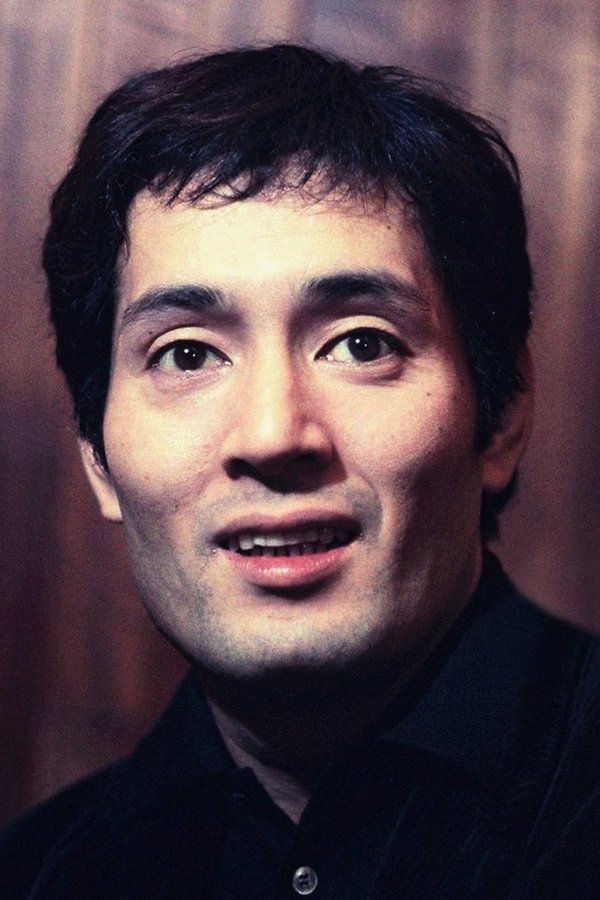
Tatsuya Nakadai
Hyoma Sekine
Shinya Owada
Professor Shimura
Ayako Kobayashi
Fumi

Hiroyuki Watanabe
Kisaragi

Naomasa Musaka
Yoshinosuke Omura

Mitsunori Isaki
Tsuneyoshi Sekine

Masanori Ishii
Namizo Ohira
'Alice' is a genre trifecta: one part revenge drama, one part historical account, one part throwback to Blaxploitation—kinda 'Django' meets 'Roots' meets 'Foxy Brown.'
This surprisingly clever romantic comedy perfectly balances genuine heart with wild reality television chaos. It is an uplifting and funny reminder that second chances and real community can show up exactly when you stop looking for them.
Presenting a bold and unapologetic narrative focused on strong Muslim female characters, the show beautifully incorporates punk rock as a feminist movement in their lives.
Essentially 'Get Out' but for white women, 'Don't Worry Darling' has strong material with its twist reveal, but the writing and directing falter trying to execute it.
‘Killers of the Flower Moon’ is preoccupied with plot and not on the greater struggle of the Osage.
In Spike Lee’s She’s Gotta Have It (1986), we follow the love life of powerful female protagonist Nola Darling (Tracy Camilla Johns) and explore the relationship dynamics she has with her partners. She sees three men simultaneously: Greer Childs, (John Canada Terrell) Mars Blackmon (Spike Lee), and Jamie Overstreet (Tommy Redmond Hicks). Though an 80’s film, She’s Gotta Have It is surprisingly progressive with its themes of female sexuality, although at some points in the film it is handled clumsily. Overall Nola is an incredibly compelling character especially for modern women, as we as a society acknowledge female sensuality more and more without the negative stigma.