
NiuNiu - Film Fest Review
The film is a powerful narrative encompassing a theme that many people can identify with.
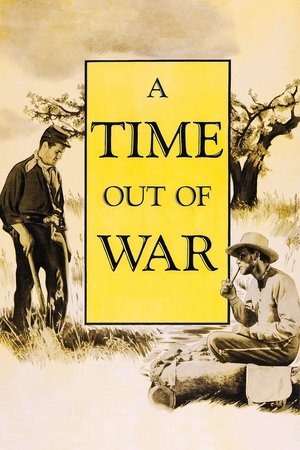


Black and White UCLA Student Film, Preserved by the Academy Film Archive. During the American Civil War, two Union soldiers and a Confederate solider fire at each other from across a brook. The two sides negotiate a one-hour truce, from which they develop a bond. Based on the short story "Pickets" (1897) by Robert W. Chambers, it was the winner of an Academy Award for Best Short Subject (Two Reel) film in 1955. The film is on the National Film Registry for its cultural significance in 2007.
The film is a powerful narrative encompassing a theme that many people can identify with.
Many have interpreted Maya Deren’s Meshes of the Afternoon as a dream sequence, but what if the repetitive scenes we are given are not dreams but, a time loop.
The sequel to the first film, A Second Chance: Rivals! talks about Maddy combating cyberbullying and racism.
Asha, the main character, is a biracial woman who discovers the power of magic wishing dust.
The sequel following The Son of Bigfoot explores Adam's conflict of discovering his true identity as he tries to save a wildlife preserve.
An in-depth discussion about anti-Black discrimination in college and professional football.