
The Discreet Insensitivity of ‘Slumberland’
The cultural insensitivity of 'Slumberland' is discreet, and can be easily overlooked in CGI extravaganza.
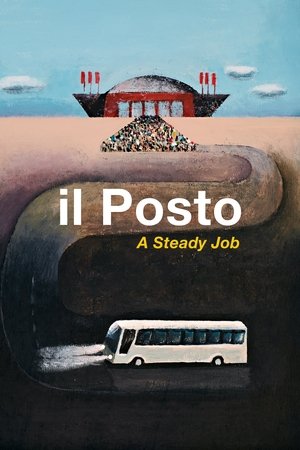


Every month, hundreds of unemployed nurses travel from the south to the north of Italy in search of work. Two of them organise the trips by overnight buses; a long journey of hope that often leads to nothing at all. Shot as a road movie, the two filmmakers paint a pitiless portrait of modern Italy before, during and after the health crisis.
The cultural insensitivity of 'Slumberland' is discreet, and can be easily overlooked in CGI extravaganza.
Remakes. Reboots. Reinventions. Redundancy. It's the common practice in Hollywood of late, sometimes offering us victorious reimagining of what can be considered cinematic classics while also, more often, falling flat on their UN-imaginative faces in utter defeat and lackluster results. Admittedly, with this in mind, I went into the newest incarnation of "The War of the Roses" with typical trepidation and cautious optimism.
With the theme of unemployment, it presents a family fantasy anecdote rather the a comment on social problems.
He’s a nine-time Oscar host and a revered comedy legend. He’s an up-and-coming comedy star who was a voice in the biggest animated movie of all time. So what happens when these two are forced to work together?
Strangers in a crowd, exchanging glances, looking away, continually managing to run into each other then part ways, end up at the same diner, find they've rented the exact same vehicles, and are then made to travel together to learn once more whether they can both find genuine adoration and companionship again. This really does, in so many words, sum up the foundational gist of of this new feature film from writer Seth Reiss ("The Menu") and director Kogonada ("The Acolyte", "After Yang"). Yet, it's all only the set-up for the REAL wonder of everything that happens before, during, and in the aftermath of a magical, meaningful journey.
The history of Hollywood is as ugly as it is beautiful. Most notably absent from Hollywood history are Black-produced films. “They’ve Gotta Have Us” explores the rise of Black cinema.