



A Diwali Dilemma: A Direct Inner Conversation about Minority Struggles
Mala tripped over in a company Diwali party, which led to unexpected visits and realizations.
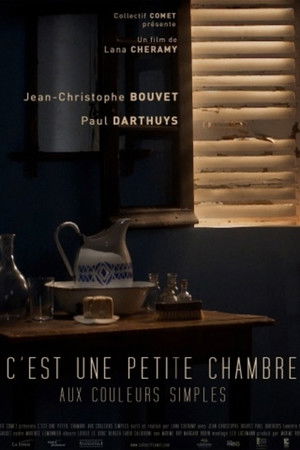


Mister Jones, old blind painter and admirer of Van Gogh, is looked after in a rest home by Bob, a young male nurse with whom he falls in love. As their relation evolves between fantasy and reality, the small room is transforming into one of Van Gogh’s famous paintings.
Mala tripped over in a company Diwali party, which led to unexpected visits and realizations.
The plot could’ve really been interesting if the elements of lycanthropy was integrated with perhaps the struggle of identity of being LGBTQ+. It's an experience for so many that as they’re starting to realizing their true selves, they feel like a monster, especially if they come from unsupportive homes or communities. Instead, the horror and transformation elements seem thrown in without contemplation of how this could deepen the narrative.
'Kobra Auto Retrato' chronicles the inspiring journey of Kobra, a world-renowned Brazilian muralist and street artist.
The social issues The Half of it takes on are handled well, between the antagonization brought on to Ellie for her race and the conflict that arises from her being gay. Both aspects of her character are built up over the course of the film and don’t seem abrupt or rushed. The film shows racism towards Ellie and her and father in varying levels, from having her schoolmates specifically address her as "Chinese girl” to the fore mentioned way her Dad is treated due to language barriers. The same can be said about Ellie being a lesbian. While she never truly “comes out” in the narrative, that does not undermine her journey of self-discovery from being meaningful. These ideas aren’t thrust upon the viewer in a preachy manor, the scenarios that occur feel believable given the rural setting. The film presents watchers with problems whom those like Ellie may face, and leaves us to sit with them and reflect.
(Disclaimer: Harmful Language) In celebration of Pride Month, Father's Day, and father figures (and whoever supports you), I revisit Moonlight's brief but spectacular character, Juan. With overarching themes tied to masculinity, I reexamine his intimacy with Little.
One of the reasons I love watching movies is that, much like books, they serve as windows into other times and different places. Productions from around the world offer valuable insights into the history and culture of their respective countries. And just like literature, cinema can help us understand the present by showing us the past.