


“Omaha”: Innocence Broken by Economic Injustice
Omaha reminds us of what it can feel like to look at old family photographs. You sit with the bittersweetness, allowing it to wash over you; not drowning in it, but certainly affected by it.

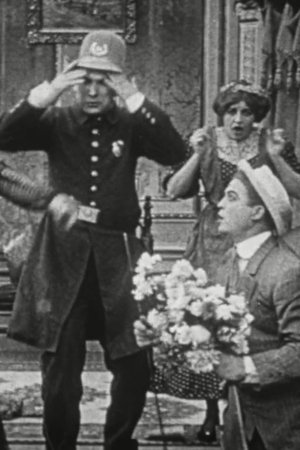
Mr. Hallate is leaving for a trip and his loving wife is helping him to get his belongings out with him. At last everything is ready and she goes on the stoop and watches him get into the rig. Augustus Slip, who happens to pass at this moment, sees her and, like other men of small stature, becomes deeply enamored with the ponderous Mrs. Hallate. He goes and purchases a bouquet and, returning to the house, walks into the parlor and forces his attentions on Mrs. Hallate. She, however, will have none of him, and as he refuses to leave, flies for revenge to the maid in the kitchen. The maid happens to be entertaining her friend, Officer O'Brien, and Mrs. Hallate is indeed glad to see a limb of the law, and requests him to eject the eloquent Augustus. Meantime, Mr. Hallate has missed his train, and accordingly returns to his home. Augustus hearing him enter, hides behind a curtain, and when the officer enters Hallate is the only man in sight.
Omaha reminds us of what it can feel like to look at old family photographs. You sit with the bittersweetness, allowing it to wash over you; not drowning in it, but certainly affected by it.
The major flaw of the series is that it’s hosted on Netflix and barely makes malicious comments about it despite being focused on the lives of people directly affected by the Capitalist mentality of the OTT corporation.
The 'Shaft' remake fails to capture blaxpoitation's rebellious spirit.
When it comes the horror genre, I am VERY hard to please or impress, much less scare. Coming from a current mindset of appreciation for chilling, unsettling, tension-inducing efforts such as "Hereditary", "The Conjuring" (ONLY the first one to date, mind you), "Lights Out", "The Babadook", "Midsommar", "Talk To Me", "Oddity", "Bring Her Back", and the like
The “gay best friend”, an age-old trope, has been done in countless films and television series. Ranging from one-note (Sex and the City's Stanford and Mario) to nuanced (Unbreakable Kimmy Schmidt's Tituss), the gay best friend exists to support and advise the main protagonist, with their conflicts swept to the side.
The Resort has an excellent climax surrounded by disappointments. Somehow, at a mere 75 minutes, this movie still manages to be 70 minutes too long.