
War is Not the Answer: Music in “Da 5 Bloods”
Marvin Gaye's powerful music addresses the same themes as "Da 5 Bloods" and elevates the film to even greater heights.

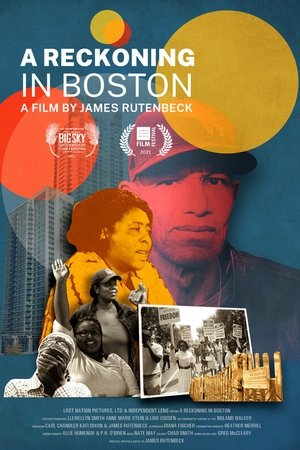


Kafi Dixon dreams of starting a land cooperative for women of color who have experienced trauma and disenfranchisement in the city of Boston. By day she drives a city bus; at night she studies the humanities in a tuition-free course. Her classmate Carl Chandler, a community elder, is the class’s intellectual leader. White suburban filmmaker James Rutenbeck documents the students’ engagement with the humanities. He looks for transformations but is awakened to the violence, racism and gentrification that threaten Kafi and Carl's very place in the city. Troubled by his failure to bring the film together, he enlists the pair as collaborators with a share in the film revenues. Five years on, despite many obstacles, Kafi and Carl arrive at surprising new places in their lives—and James does too.
Marvin Gaye's powerful music addresses the same themes as "Da 5 Bloods" and elevates the film to even greater heights.
Dead Poets Society relies on patriarchal tropes such as overbearing fathers, contrived brotherhood, and faux-individuality in order to portray its straight white male characters as oppressed.
"13 Going on 30" tracks the tricky transition from adolescence to adulthood.
"WHAT ARE YOU WILLING TO SACRIFICE?!!!!" "EVERYTHING!!!!!" This is but one of a multitude of highly emphatic questions, and subsequent answers, being asked in the newest feature film from one of the current masters of horror, Jordan Peele ("Get Out", "Us" and "Nope"). I must give Peele credit in that he continues to push the boundaries of specific genres and their associated tropes in order to provide what ends up amounting to subtly then jarringly intense, yet still character and story-driven, cinema that speaks more to indie stylings than mainstream.
Lindsay Lohan makes a big film comeback in this amazing holiday comedy of the year.