









Fire Island is a More Inclusive Rom-com than The Thing About Harry
Fire Island is the more inclusive film of the two with the bi-phobic definition of pansexuality in The Thing About Harry and its obvious lack of colour on screen
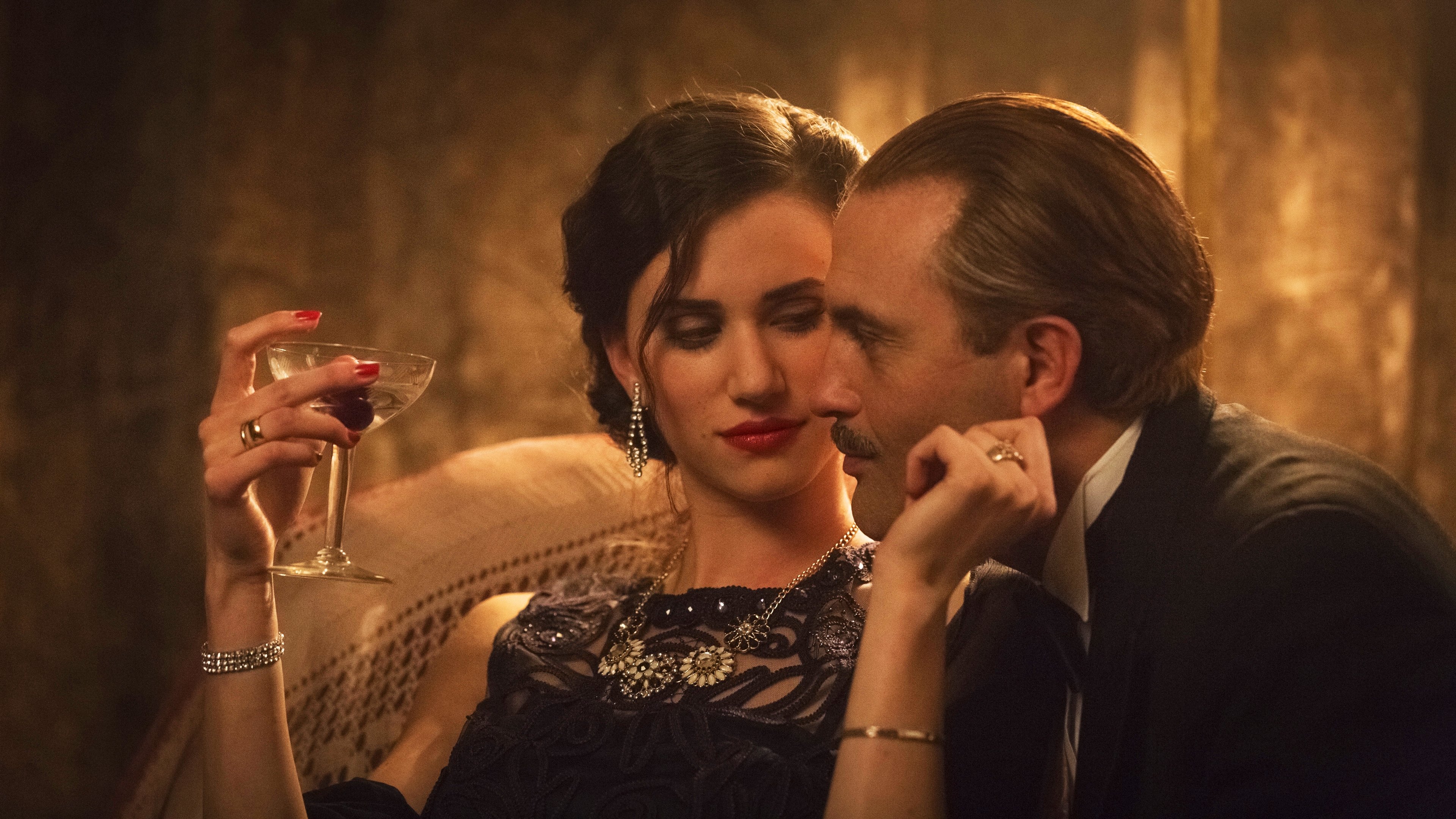



Young and talented Han van Meegeren is a rebel in the early 1920's Amsterdam art-scene. Because he paints in the style of his idols Rembrandt and Vermeer, critics find his work old-fashioned and they call him a copycat. Just to prove a point, he produces a fake Vermeer and tries to pass it off as a real one. It works. Instead of revealing the truth and thereby embarrassing the art world, he continues to make money off of his many forgeries. Soon he is caught in a web of lies and deceit, and his life spins out of control. Then one day, high ranking Nazi Hermann Göring knocks on his door, looking for a Vermeer for his private collection...
Fire Island is the more inclusive film of the two with the bi-phobic definition of pansexuality in The Thing About Harry and its obvious lack of colour on screen
A24 keeps producing amazing films and X belongs with all the brilliant titles under its name. And is definitely a must-watch for a film enthusiast!
This showcase of Hollywood’s finest talent will certainly be around come awards season, and much deserved
'Zero Refills' highlights the despicable treatment of the less fortunate by healthcare providers and big pharmaceuticals.
Marvel’s first Asian superhero film, 'Shang-Chi', deserves praise for balancing epic superhero action, a heartfelt family plot, and positive Asian representation.
Writing great villains is about striking a balance between charming and evil, so we love them but also love to see them lose.