



Incluvie – Better diversity in movies.
Identity in film with Incluvie stamps, scores, reviews.

Incluvie – Better diversity in movies.
Explore identity in film with Incluvie stamps, scores, reviews, and insights.

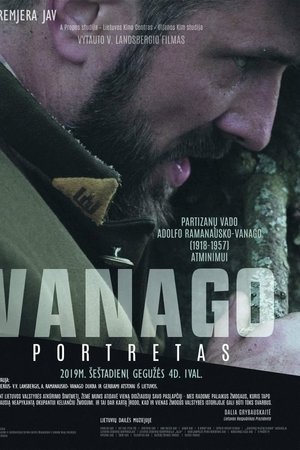
A Portrait of the Hawk poster

A Portrait of the Hawk 

The Hawk was one of the most well-known Lithuanian resistance fighters during a post war period. It’s a story about a man who was forced to fight soviets who invaded the country post World War II. The Hawk had to keep his family hidden for 11 years and was eventually betrayed and brutally murdered by the soviets. The film is based on a diary of the Adolfas Ramanauskas – The Hawk. It serves as a background for Mantas Petravicius – a painter who tries to paint the portrait of the Hawk. He draws inspiration by visiting the exact places where The Hawk fought and had to hide.
- / 5
PopScore
Representation

Pictures and Videos


Incluvie Gala

Movie Information


The Hawk was one of the most well-known Lithuanian resistance fighters during a post war period. It’s a story about a man who was forced to fight soviets who invaded the country post World War II. The Hawk had to keep his family hidden for 11 years and was eventually betrayed and brutally murdered by the soviets. The film is based on a diary of the Adolfas Ramanauskas – The Hawk. It serves as a background for Mantas Petravicius – a painter who tries to paint the portrait of the Hawk. He draws inspiration by visiting the exact places where The Hawk fought and had to hide.

Rating:
Genre:
Written By:
In Theaters:
Box Office:

Runtime:76 minutes
Studio:

Articles You May Like


Y tu Mamá También: A Profound Exploration of Mexican Society and Self-Discovery

Years before Mexican director, Alfonso Cuaron, was winning Academy Awards for movies like Gravity (2013) and Roma(2018), he directed a small, intimate film about two best friends who decide to embark on an improvised road trip to spend time with an older, attractive woman who miraculously agrees to go with them. Y tu Mamá También is a deep journey into the raw sexuality and friendship of the young protagonists, as well as a subtle social and political commentary on Mexico at the time.

Raul Flores